Beach Wellness MD
All treatments

Treat symptoms—not just appearance

Varicose Vein and Spider Vein Treatment in Los Angeles

Varicose veins are enlarged, bulging veins that can cause aching, swelling, heaviness, and skin changes. Spider veins are smaller red or purple vessels near the skin’s surface. We offer treatments that close damaged veins and redirect blood through healthy veins.

Request a consultation
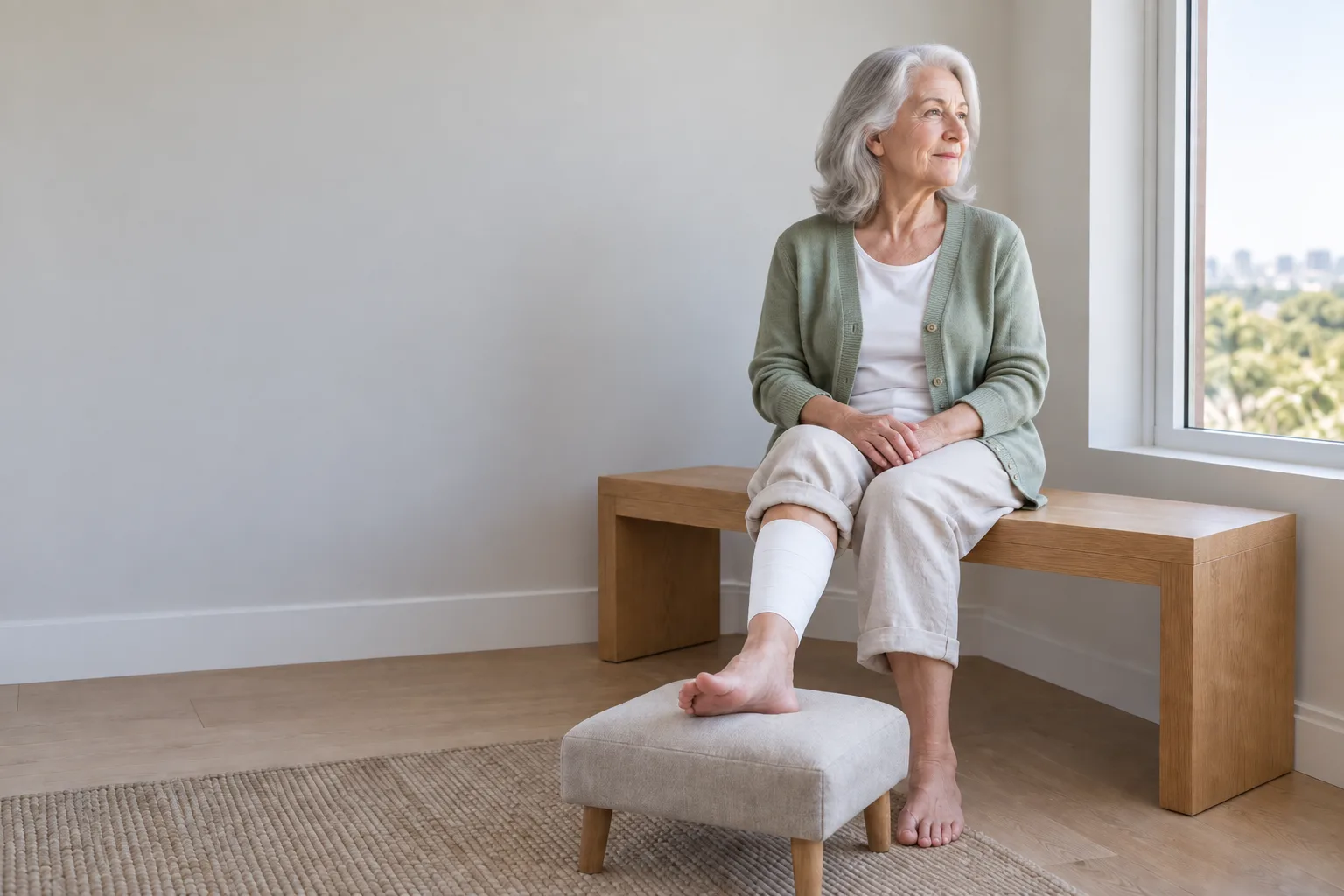
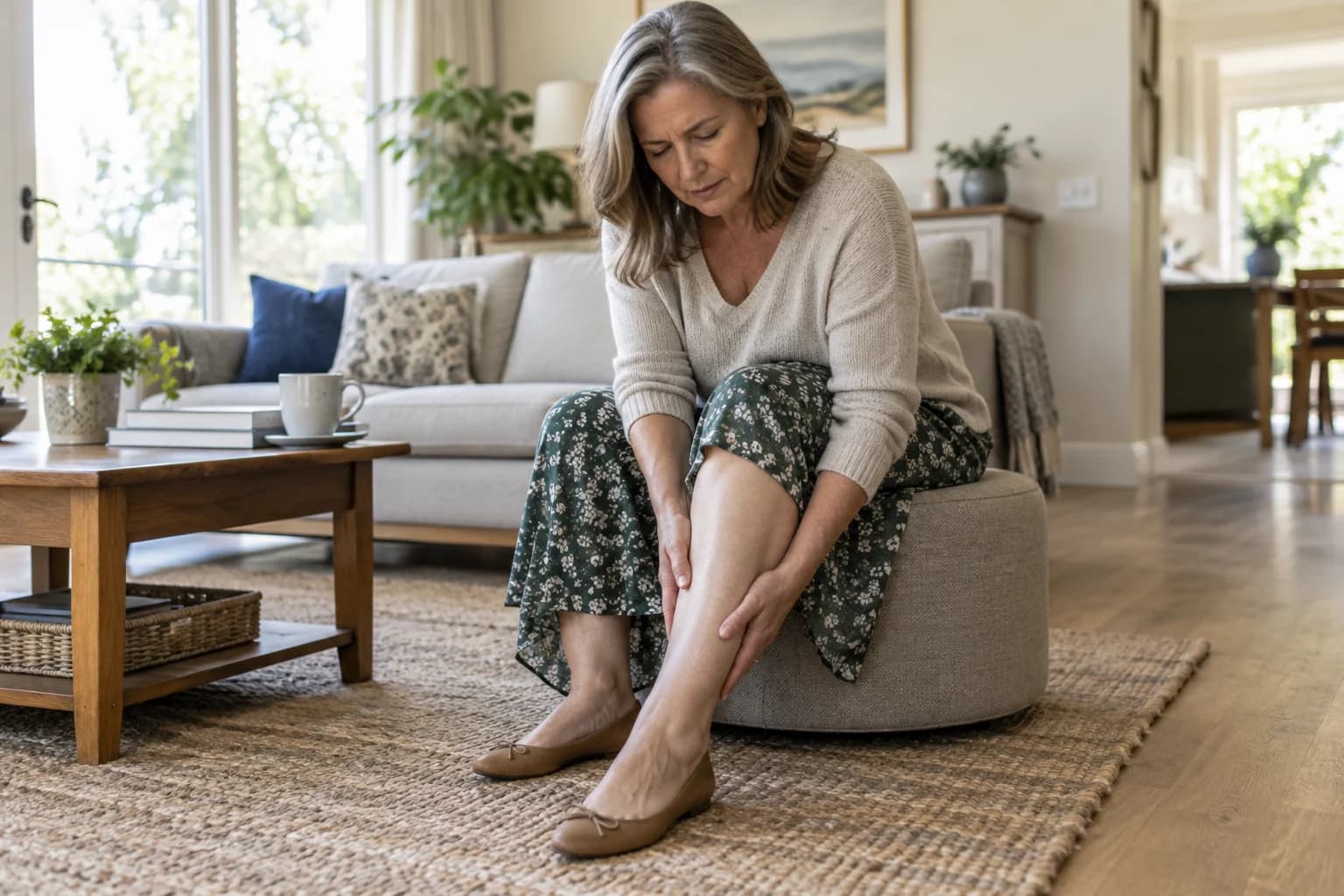
A woman resting her aching leg at home

Varicose Vein Symptoms: Aching, Swelling and Heavy Legs

Varicose veins are more than a surface concern. Leaky valves beneath the skin can let blood pool, causing bulging veins, heaviness, cramping, and swelling. Our treatments close damaged veins so blood can return through healthier pathways.

Symptoms and concerns we help with

  • Bulging blue veins or fine red and purple spider veins
  • Aching, throbbing, heaviness, burning, or itching in the legs
  • Cramping, spasms, or restless legs
  • Ankle or lower-leg swelling
  • Discolored, flaky, or thickened skin
  • Bleeding from a vein or recurring sores near the ankles

Understanding Varicose Veins, Spider Veins and Venous Insufficiency

Varicose veins and spider veins

Varicose veins are enlarged veins that often bulge beneath the skin. Spider veins are smaller red or purple vessels that form a fine, web-like pattern. In the legs, damaged valves can let blood flow backward and pool in veins, causing pressure, swelling, and discomfort.
Why do they develop?

Family history, pregnancy, excess weight, and increasing age can contribute to varicose veins. Hormonal changes and sun damage can also contribute to spider veins. Some people mainly notice their appearance; others develop pain, skin changes, bleeding, or ulcers.

Choosing a vein treatment

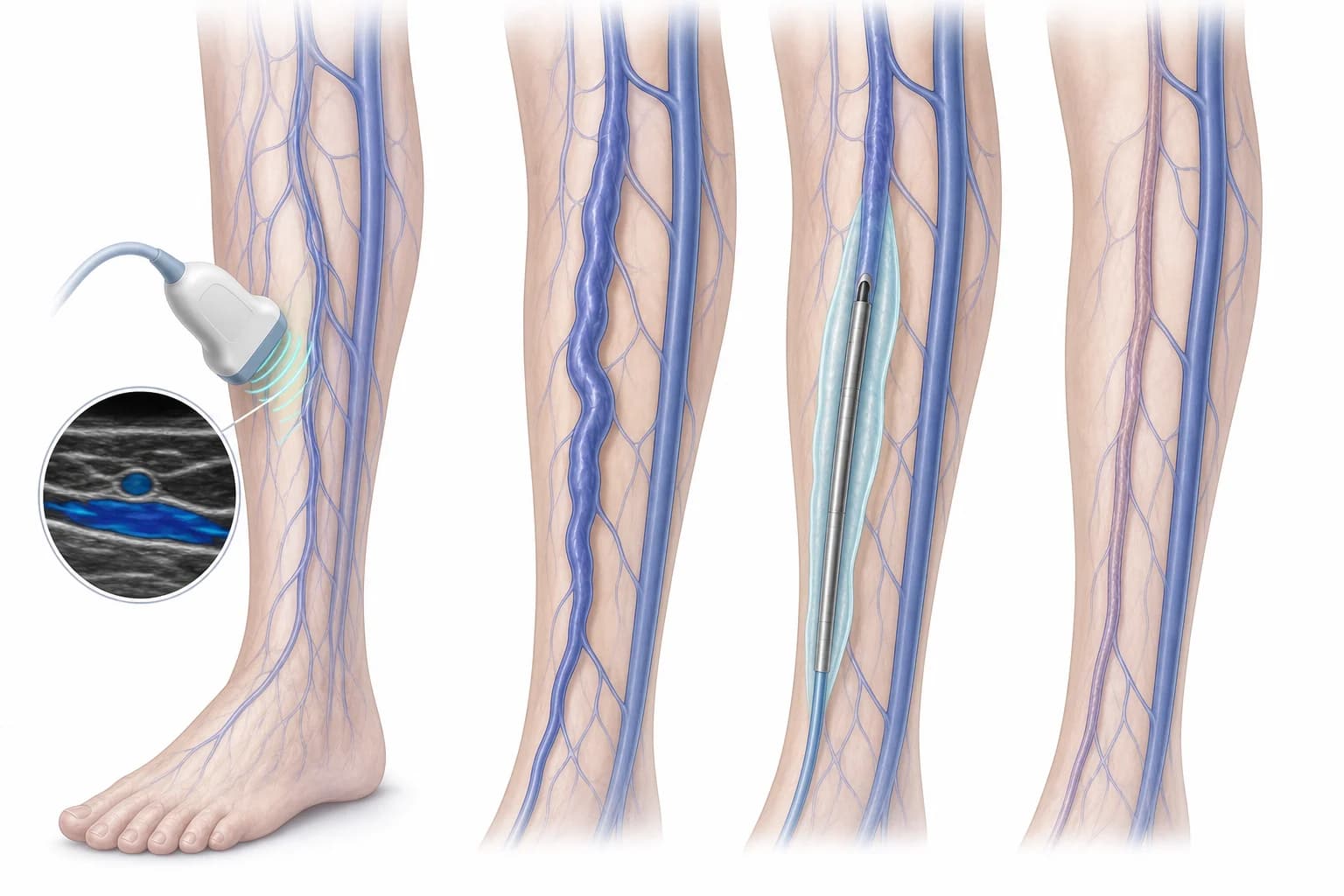
An ultrasound helps us check how well the valves work and identify the veins causing symptoms. Depending on your needs, we may recommend compression, radiofrequency ablation, Varithena foam, or sclerotherapy. Not every visible vein needs treatment.

Educational illustration of duplex ultrasound and endovenous ablation of a superficial leg vein
Simplified patient education illustration; anatomy and treatment vary by patient.

Vein Treatment Options: Ablation, Varithena and Sclerotherapy

Radiofrequency ablation

A small catheter uses heat to seal a diseased vein from within. Ultrasound guides the treatment, and local anesthetic helps keep you comfortable.

Varithena® foam treatment

Varithena is a prescription foam injected into a diseased vein under ultrasound guidance. It closes the vein so blood can return through healthier veins. The leg is wrapped afterward, and a follow-up ultrasound checks the treated vein.

Sclerotherapy

A fine needle delivers a solution into unwanted spider or varicose veins. The solution irritates the vein lining, causing the vein to close and gradually fade. Visible improvement takes several weeks, and you may need more than one session.

After your treatment

Your team will explain walking, compression, and follow-up ultrasound. Bruising or tenderness can occur as treated veins close and symptoms gradually improve.

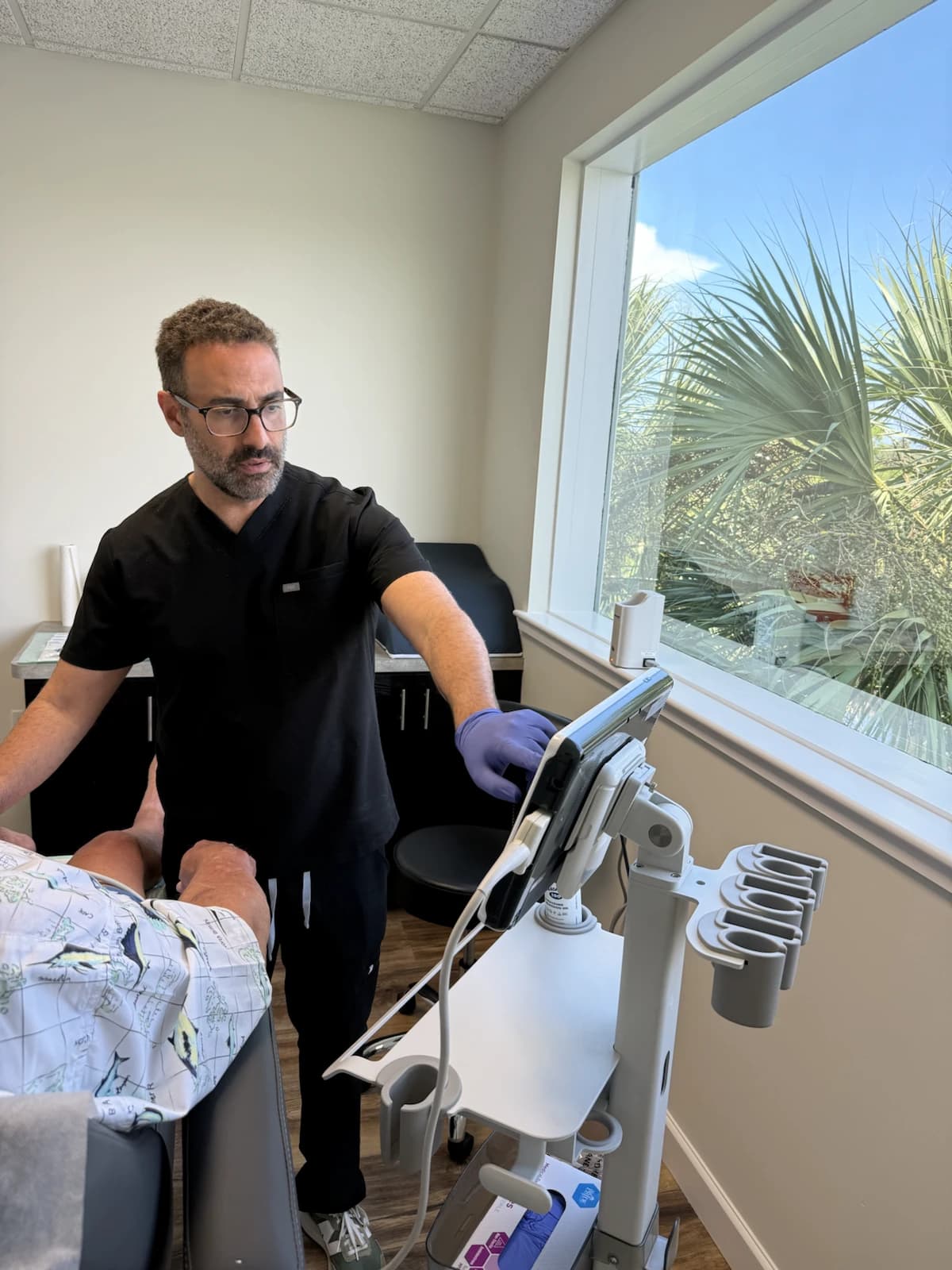
Dr. Ali Golshan using ultrasound at Beach Wellness MD

Personalized Vein Care for Your Symptoms and Goals

  • Duplex ultrasound diagnosis
  • Conservative and minimally invasive options
  • Treatment chosen for the veins causing your symptoms
  • Coordination with wound care for venous ulcers
  • Follow-up focused on symptoms and recurrence
What we review at your consultation

A venous consultation includes symptom history, examination, prior clot or procedure history, and often duplex ultrasound. Sudden one-sided swelling, chest pain, or shortness of breath requires urgent medical evaluation rather than a routine vein visit.

What to Expect From Your Vein Evaluation and Treatment

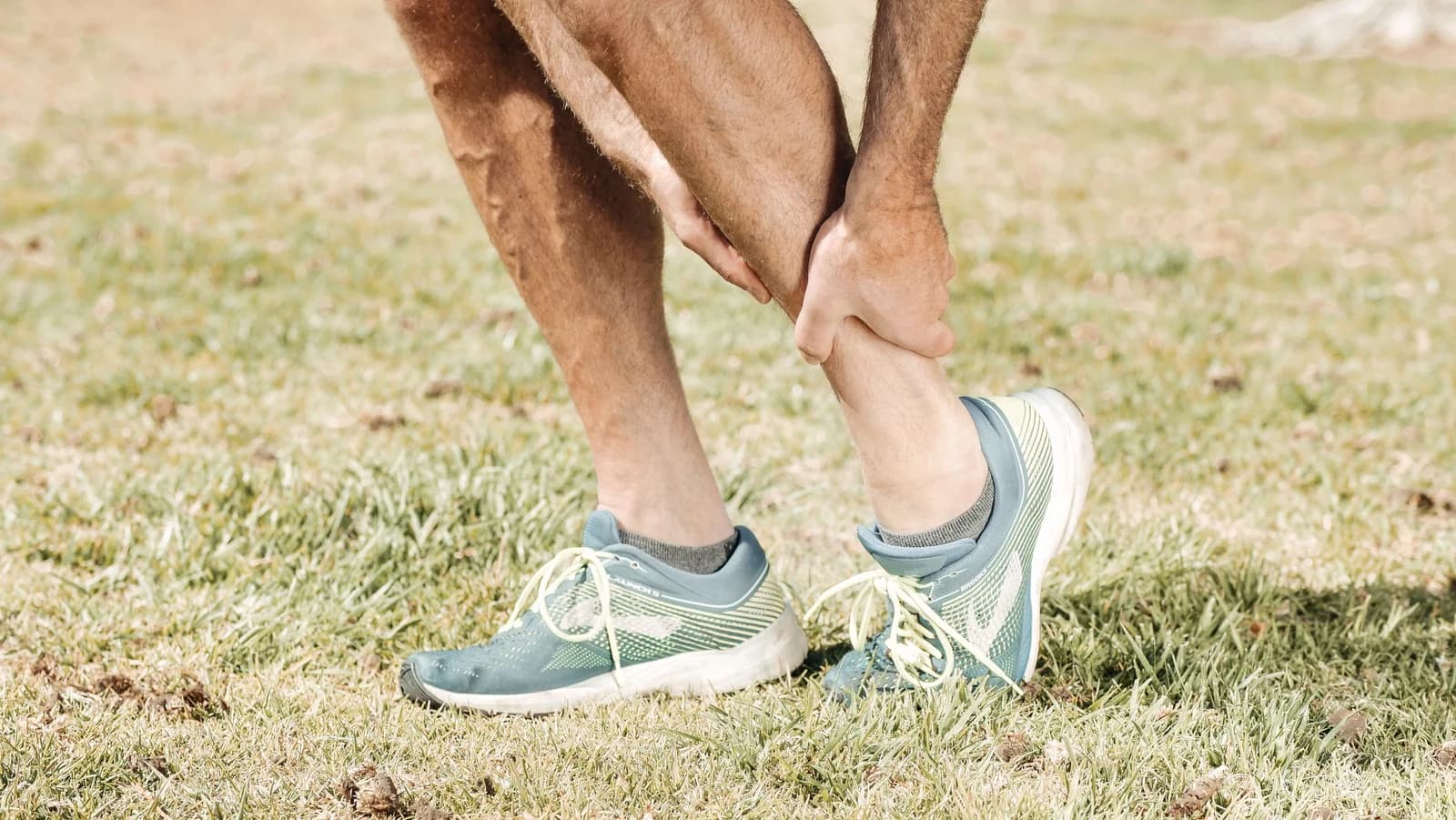
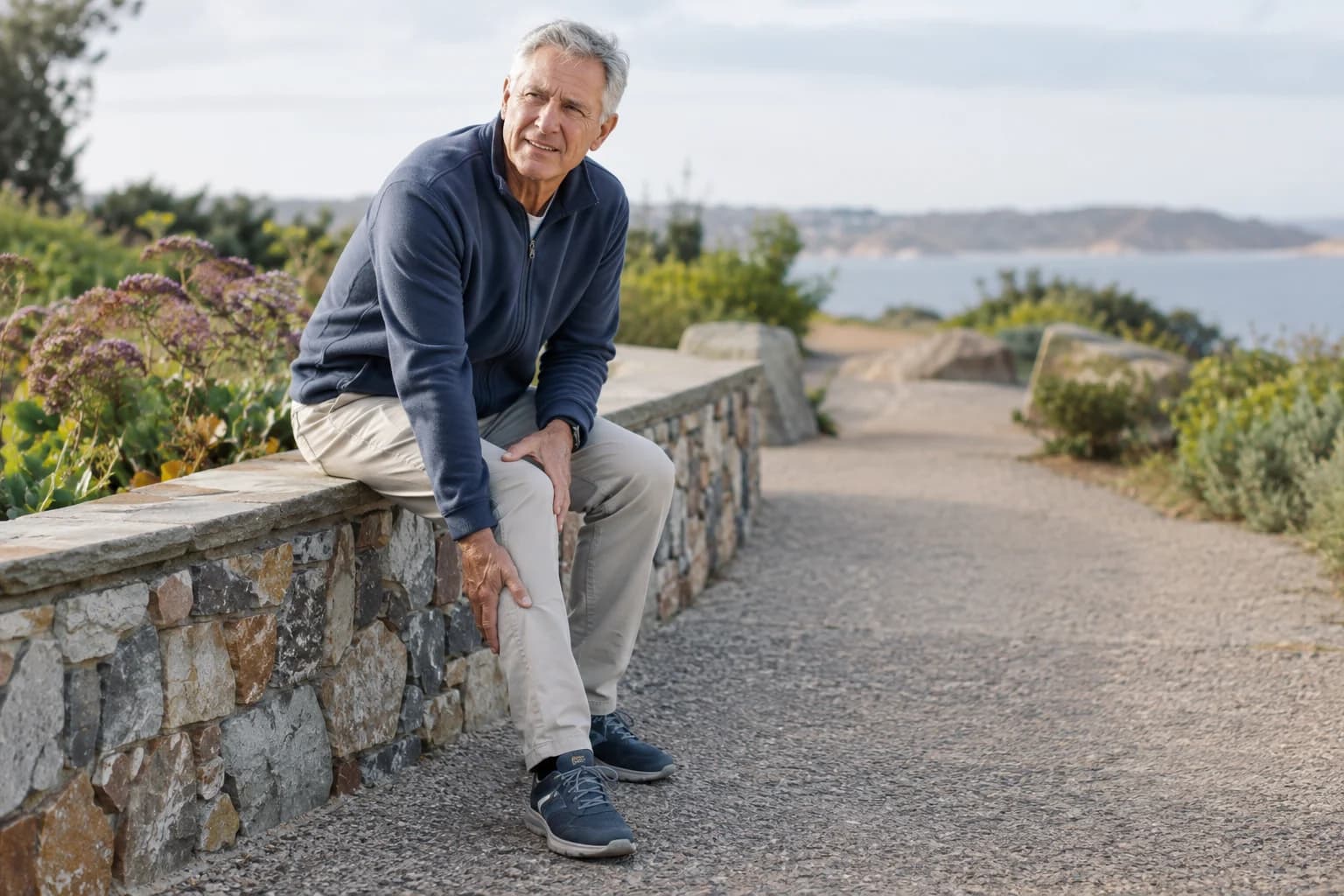
A person holding their calf outdoors
01

Examine

We review symptoms, skin changes, swelling, and visible veins.

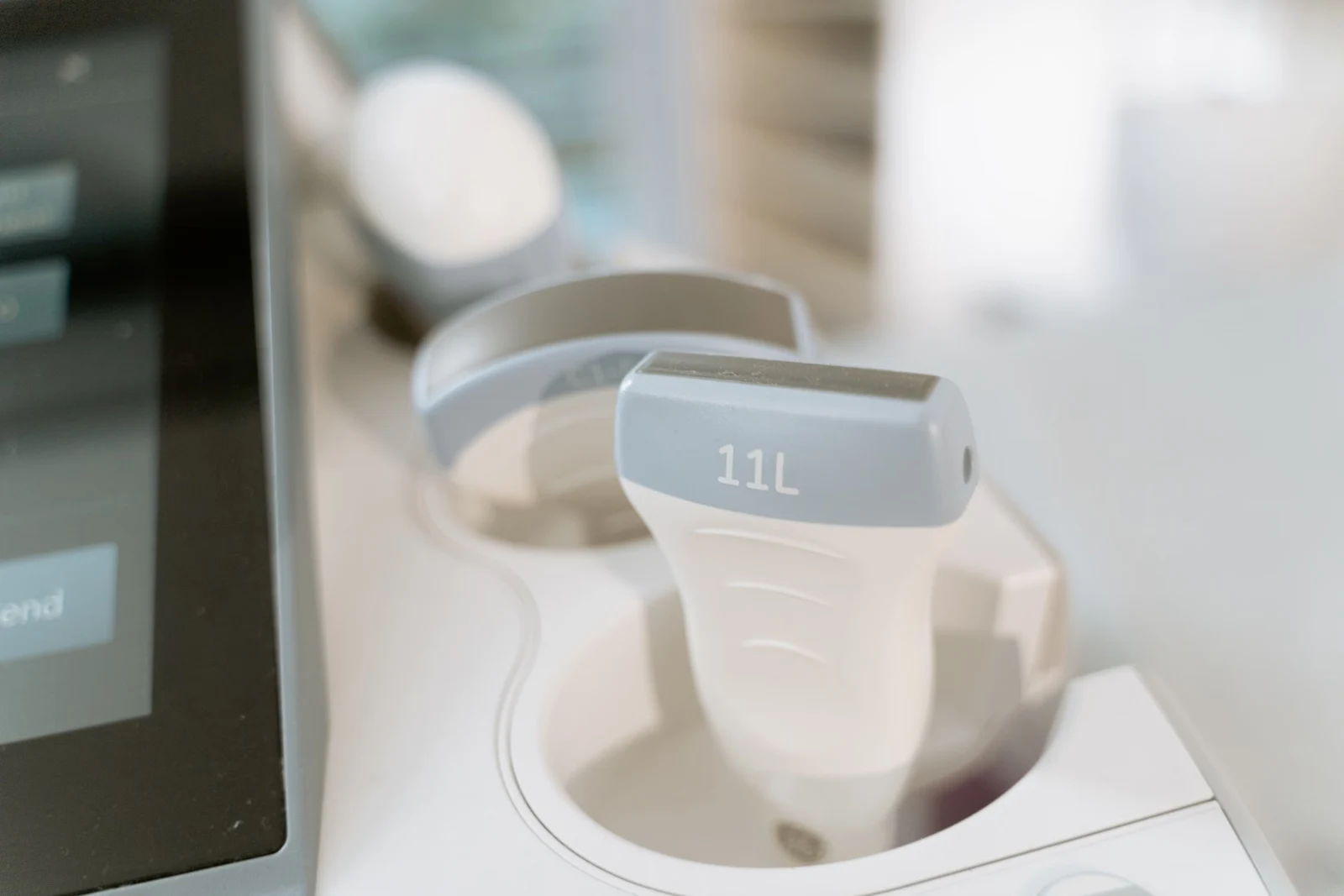
A linear ultrasound probe in its holder
02

Check blood flow

Ultrasound identifies valves or vein segments that are not moving blood effectively.

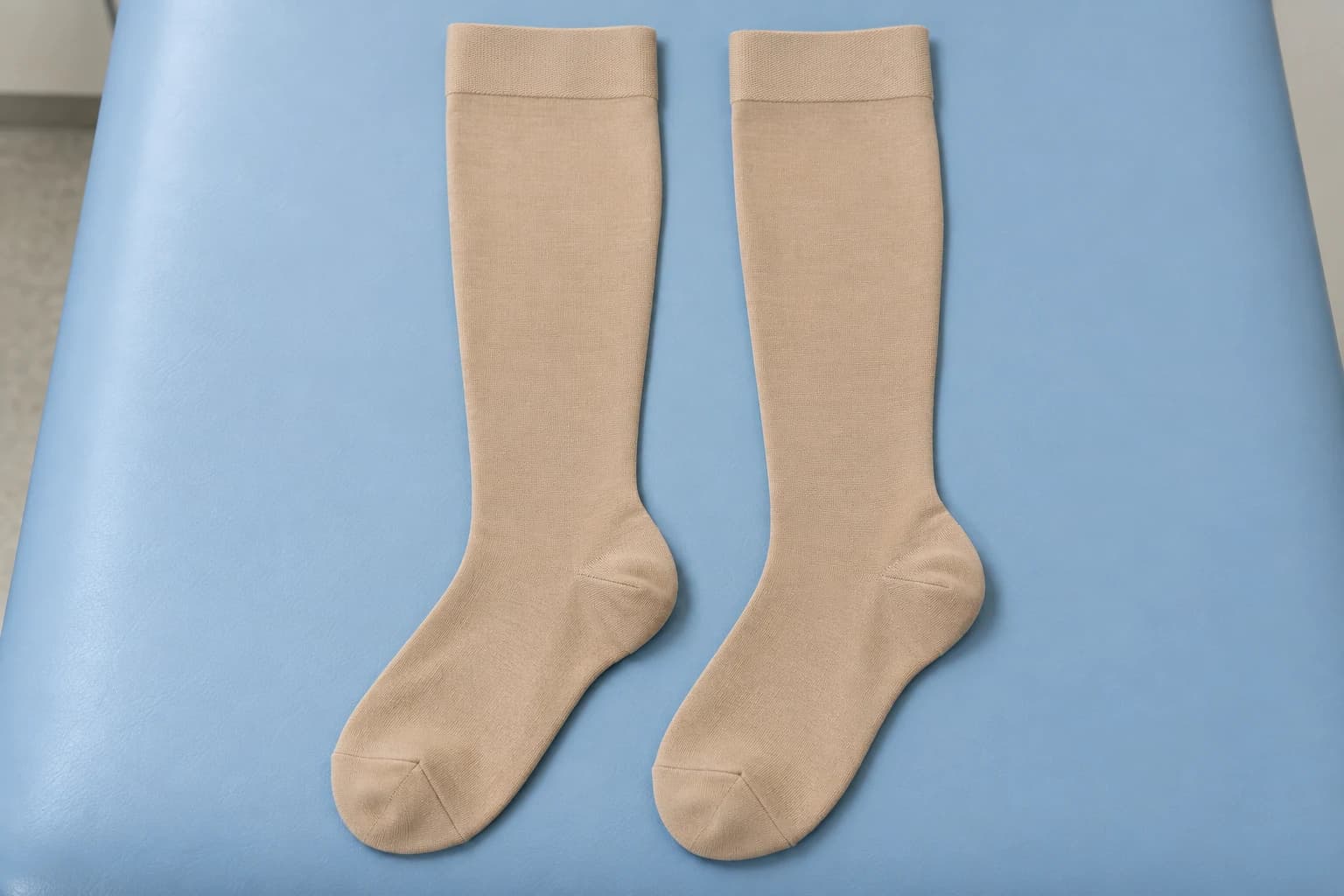
Illustrative pair of knee-high compression stockings
03

Choose treatment

Options may include compression, ablation, sclerotherapy, phlebectomy, or coordinated wound care.

A patient spending a quiet moment outdoors
04

Maintain

Follow-up addresses healing, residual symptoms, and long-term venous health.

Recovery and Aftercare Following Vein Treatment

Recovery varies by treatment, but many vein procedures are performed in an outpatient setting with walking encouraged soon afterward. Compression and activity instructions are individualized.

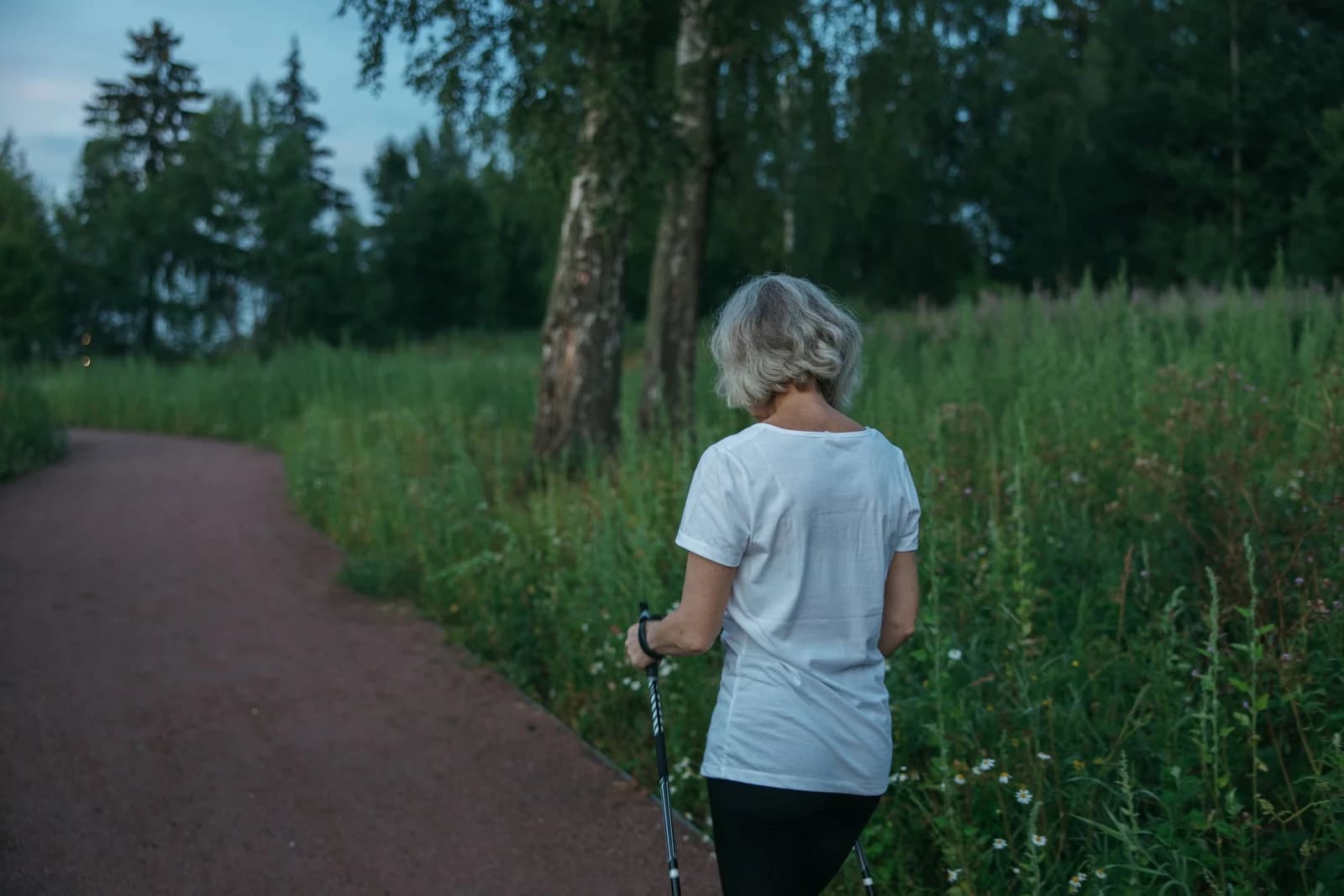
A woman walking along a park trail with walking poles

Frequently Asked Questions About Varicose Veins and Venous Insufficiency

Are varicose veins only cosmetic?

Not always. They may be associated with venous reflux and symptoms such as aching, swelling, skin changes, or ulcers. Ultrasound helps clarify the underlying problem.

What is chronic venous insufficiency?

It occurs when leg veins do not return blood toward the heart efficiently, often because vein valves are not working properly. Blood can pool, raising pressure in the lower legs.

Will treated veins come back?

Successfully closed veins generally remain closed, but venous disease can progress and other veins may become symptomatic. Follow-up and management of contributing factors remain important.

People walking along the beach

Your Guide to Varicose Veins

Understand visible veins, aching or heavy legs, and the treatments that can help.

Read the guide

Schedule a Consultation With a Vein Doctor in Los Angeles

Meet with our team to discuss your symptoms, review your records, and understand your treatment options.

Request a consultation