
Beach Wellness MD
All treatments

Uterus-preserving fibroid care

Uterine Fibroid Embolization (UFE) Treatment in Los Angeles

UFE is an image-guided procedure that treats symptomatic fibroids by reducing their blood supply, allowing them to shrink over time while preserving the uterus.

Request a consultation
A woman lying on a sofa with her hands over her abdomen

Uterine Fibroid Symptoms: Heavy Bleeding and Pelvic Pressure

Heavy periods, painful cramps, pelvic pressure, and frequent urination can make fibroids difficult to live with. Uterine fibroid embolization is a minimally invasive alternative to surgery that treats the fibroids' blood supply without removing the uterus.

Symptoms and concerns we help with

  • Heavy or prolonged periods, or bleeding between periods
  • Painful cramping and persistent pelvic or lower back pain
  • Pelvic pressure, bloating, or a swollen abdomen
  • Frequent urination or constipation
  • Pain during intercourse
  • Symptoms that continue despite medication

Understanding Fibroids and Your Treatment Options

What are uterine fibroids?

Fibroids are common, noncancerous growths in or around the uterus. They range from very small growths to large masses, and you can have more than one. Many cause no symptoms, while others cause heavy bleeding, pressure, or pain that disrupts daily life.

How we identify fibroids

Ultrasound or MRI shows the size, number, and location of fibroids. We review your symptoms and gynecologic history to understand whether fibroids explain the bleeding or discomfort and which treatments may help.

Comparing your options

Medication can help control symptoms for some women. When it is not enough, options include UFE, myomectomy to remove fibroids, or hysterectomy to remove the uterus. UFE preserves the uterus and can treat multiple fibroids in one procedure. Pregnancy plans are an important part of choosing a treatment.

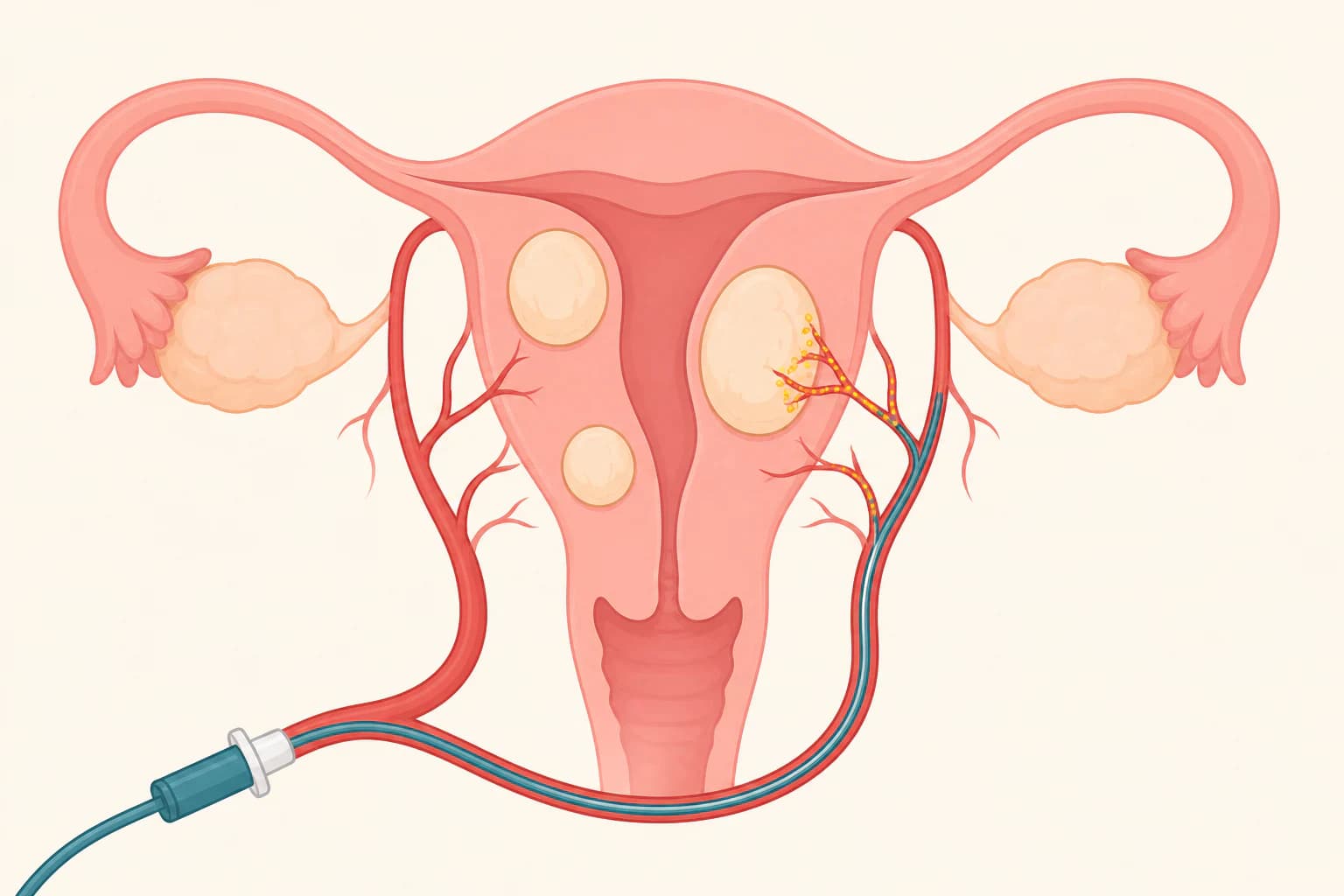
Educational illustration of a microcatheter delivering embolic particles into uterine artery branches supplying fibroids
Simplified patient education illustration; anatomy and treatment vary by patient.

How Uterine Fibroid Embolization Works

How UFE works

Using image guidance, your physician delivers tiny particles through a catheter into vessels supplying the fibroids. With less blood flow, treated fibroids shrink over time and symptoms may improve.

An alternative to fibroid surgery

UFE can treat multiple fibroids without a large surgical incision. Unlike hysterectomy, it leaves the uterus in place. Myomectomy, medication, and other options may also be part of your discussion.

Choosing what is right for you

Your symptoms, fibroid size and location, and pregnancy goals all matter. We help you compare options with your gynecologist so you understand both the benefits and limitations.

Illustrative image of a woman seated in a consultation room with a notebook

Personalized UFE Treatment Planning

  • No abdominal surgical incision
  • Uterus-preserving treatment
  • Multiple fibroids can often be treated together
  • Image-guided outpatient care
  • A coordinated review of gynecologic and interventional options
What we review at your consultation

We review your periods, pain, previous treatments, and ultrasound or MRI with you. We also ask about pregnancy plans and work with your gynecologist to check for other causes of bleeding or discomfort. UFE is not performed during pregnancy or with an untreated pelvic infection.

Your UFE Care Pathway: Evaluation, Treatment and Follow-Up

A woman taking notes during a phone call
01

Review

We discuss symptoms, imaging, previous care, and your priorities.

Close-up of an ultrasound machine's controls
02

Plan

The team confirms the fibroid pattern and whether UFE is an appropriate option.

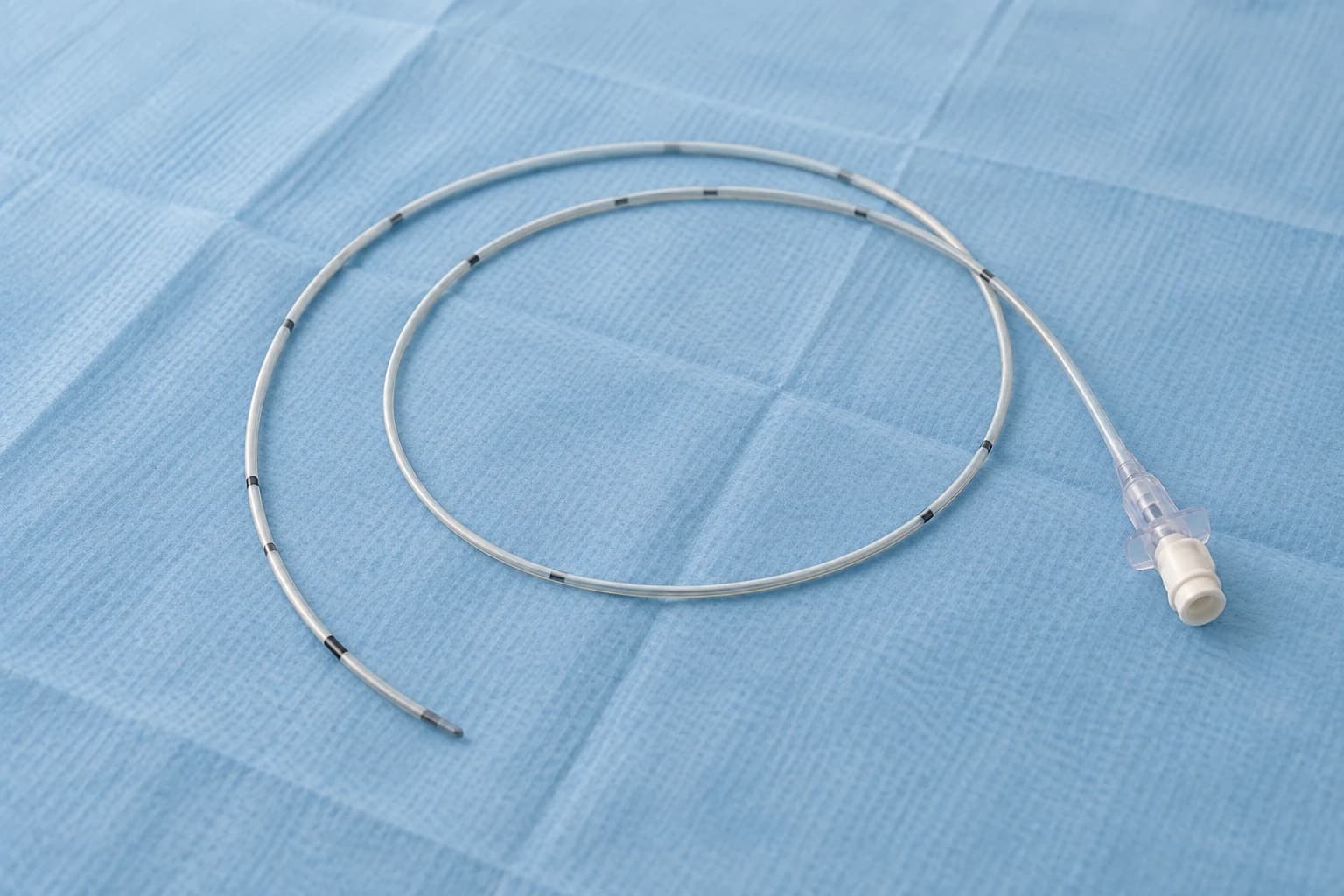
Illustrative catheter on a blue clinical drape
03

Treat

A catheter delivers small particles to selected uterine arteries under image guidance.

Illustrative image of a woman resting on a sofa with a book and blanket
04

Recover

We guide pain control, activity, follow-up, and expected symptom changes.

Recovery and Follow-Up After Uterine Fibroid Embolization

Cramping, fatigue, nausea, and low-grade fever can occur during the early recovery period. Most patients need several days away from normal routines, but timing varies. Bleeding and pressure symptoms generally improve gradually as fibroids shrink.

A woman walking along a rocky shoreline

Frequently Asked Questions About UFE Treatment

Is UFE the same as hysterectomy?

No. A hysterectomy removes the uterus. UFE treats fibroids by reducing their blood supply and is designed to preserve the uterus.

Can UFE treat more than one fibroid?

Because UFE targets the uterine arterial supply, it can often treat multiple fibroids during one procedure. Imaging is used to determine whether the fibroid pattern is suitable.

What if future pregnancy is important to me?

Fertility goals should be discussed directly with both an interventional radiologist and gynecologist. The best approach depends on age, fibroid anatomy, reproductive history, and individual priorities.

Schedule a UFE Consultation in Los Angeles

Meet with our team to discuss your symptoms, review your records, and understand your treatment options.

Request a consultation