
Beach Wellness MD
All treatments

Restore circulation. Protect mobility.

Peripheral Artery Disease (PAD) Treatment in Los Angeles

Peripheral artery disease (PAD) develops when fatty deposits narrow or block arteries and reduce blood flow, most often to the legs and feet. You may notice cramping when you walk, burning or aching in the feet and legs while at rest, or sores that take a long time to heal.

Request a consultation
A man pausing during a walk with a hand on his calf

PAD Symptoms: Leg Pain, Poor Circulation and Nonhealing Wounds

Calf pain when you walk, cold feet, or sores that will not heal can be signs of peripheral artery disease. At Beach Wellness MD, we treat narrowed or blocked arteries with minimally invasive options that help restore blood flow to your legs and support healing.

Symptoms and concerns we help with

  • Cramping in the calves, thighs, or hips while walking that improves with rest
  • Burning or aching in the feet and legs while at rest
  • Weakness or numbness, causing muscles to feel heavy or tired
  • Sores on the legs, feet, or toes that heal slowly or do not heal
  • Slower toenail growth, slower hair growth, or hair loss on the legs and feet
  • Shiny, thin, itchy, or discolored skin on the legs
  • A cold lower leg or foot, especially on one side, or a weak pulse in the feet
  • Erectile dysfunction in some men

Understanding Peripheral Artery Disease and Your Risk Factors

You can have PAD without obvious symptoms

Some people have mild symptoms or none at all. PAD most often affects the legs and feet, but it can also affect arteries in the arms and other parts of the body. Reduced blood flow deprives muscles and skin of the oxygen and nutrients they need, which explains both walking discomfort and slow wound healing.
What increases your risk?

Smoking, diabetes, high blood pressure, high cholesterol, kidney disease, excess weight, and older age increase the risk of PAD. The same plaque buildup can affect arteries supplying the heart and brain, so caring for PAD also means paying attention to your overall cardiovascular health.

Treatment starts with everyday care

Quitting smoking, a healthy diet, regular or supervised walking, and managing blood pressure, cholesterol, and diabetes can help. Medication may also be recommended. If symptoms continue or a wound is threatened by poor circulation, we discuss procedures to restore blood flow. More extensive disease may require a surgical opinion about bypass surgery.

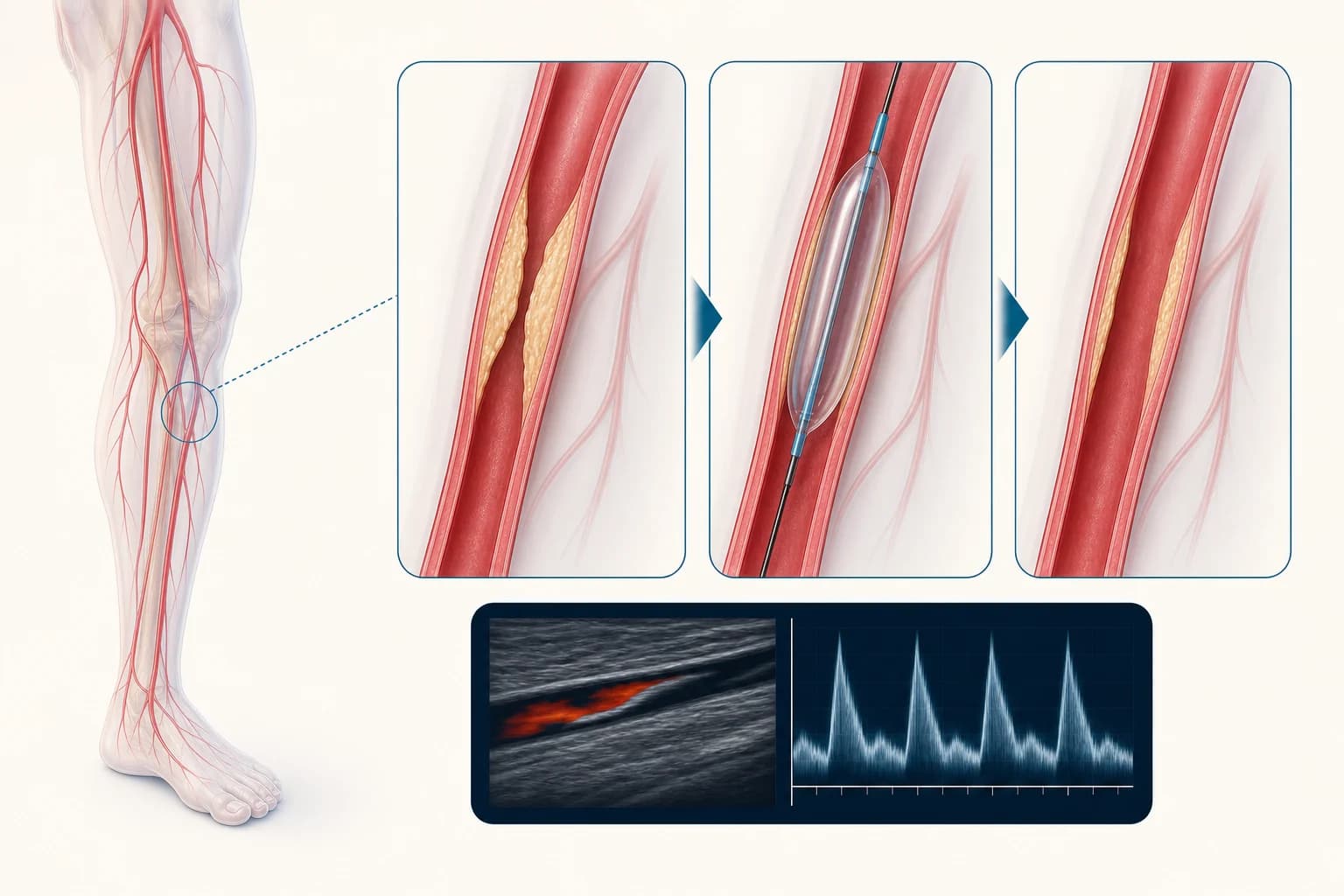
Educational illustration of duplex ultrasound and balloon angioplasty for a narrowed lower-leg artery
Simplified patient education illustration; anatomy and treatment vary by patient.

PAD Treatment Options: Angioplasty, Atherectomy and Stenting

Balloon angioplasty

Using X-ray guidance, your physician advances a small catheter to the narrowed artery. A tiny balloon is inflated to widen the passage and improve blood flow.

Atherectomy and stenting

Atherectomy removes or modifies plaque inside an artery. A small mesh stent may be placed to help keep a treated artery open. The approach depends on the location and type of blockage.

Care beyond the procedure

Medication, a tailored walking program, and managing smoking, diabetes, cholesterol, and blood pressure remain important parts of PAD care.

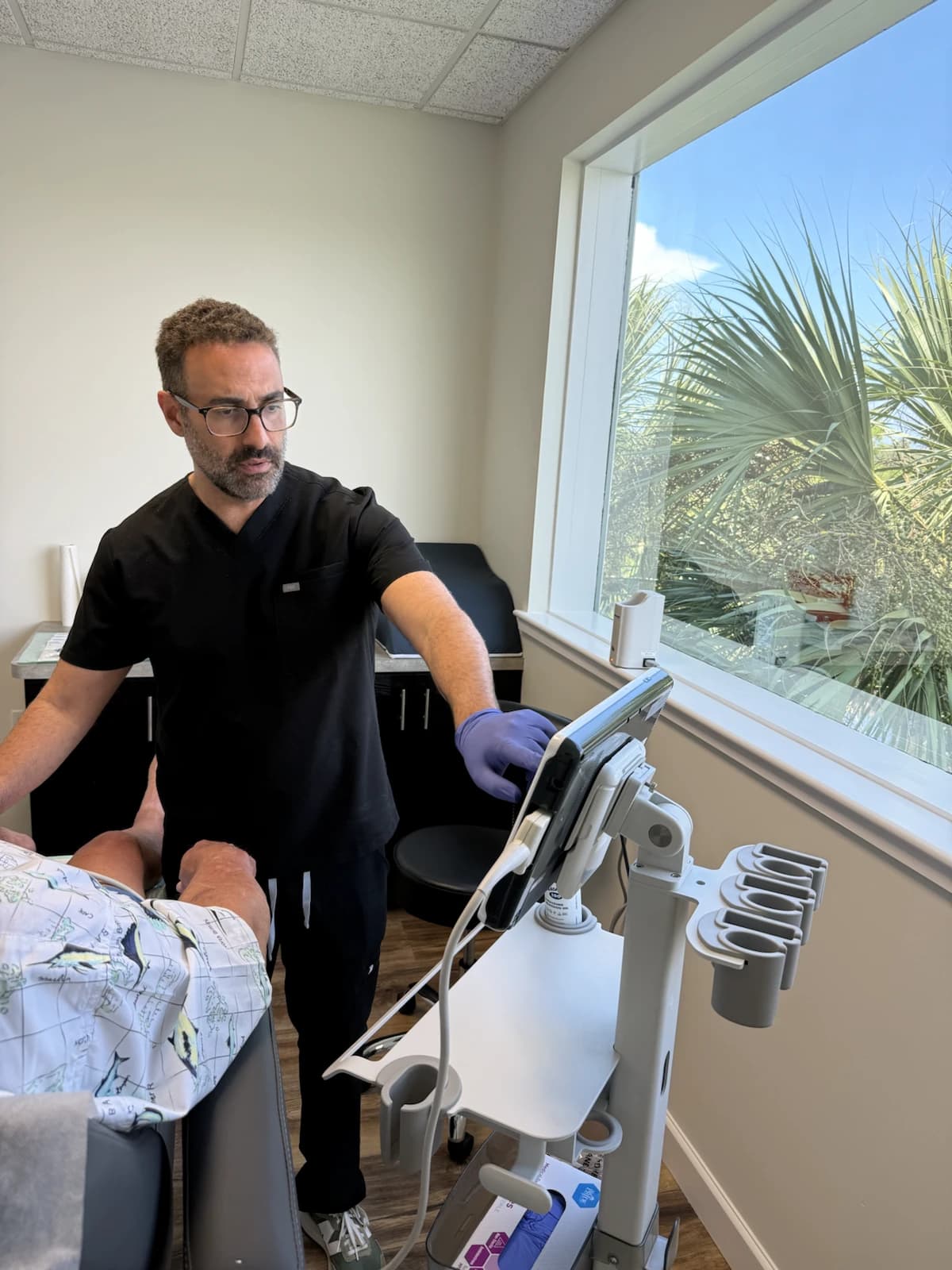
Dr. Ali Golshan using ultrasound at Beach Wellness MD

Personalized Care From a Peripheral Artery Disease Specialist

  • Circulation tests to identify narrowed or blocked arteries
  • Care for leg symptoms and your overall heart and blood vessel health
  • Minimally invasive angioplasty, atherectomy, or stenting when needed
  • Wound care alongside treatment for poor circulation
  • Follow-up to check circulation and healing
What we review at your consultation

We examine your legs and feet and check your pulses. Tests may compare blood pressure at your ankle and arm or use ultrasound to show blood moving through the arteries. We also review wounds, medicines, kidney health, diabetes, smoking history, and any previous procedures before recommending treatment.

What to Expect From Your PAD Evaluation and Treatment

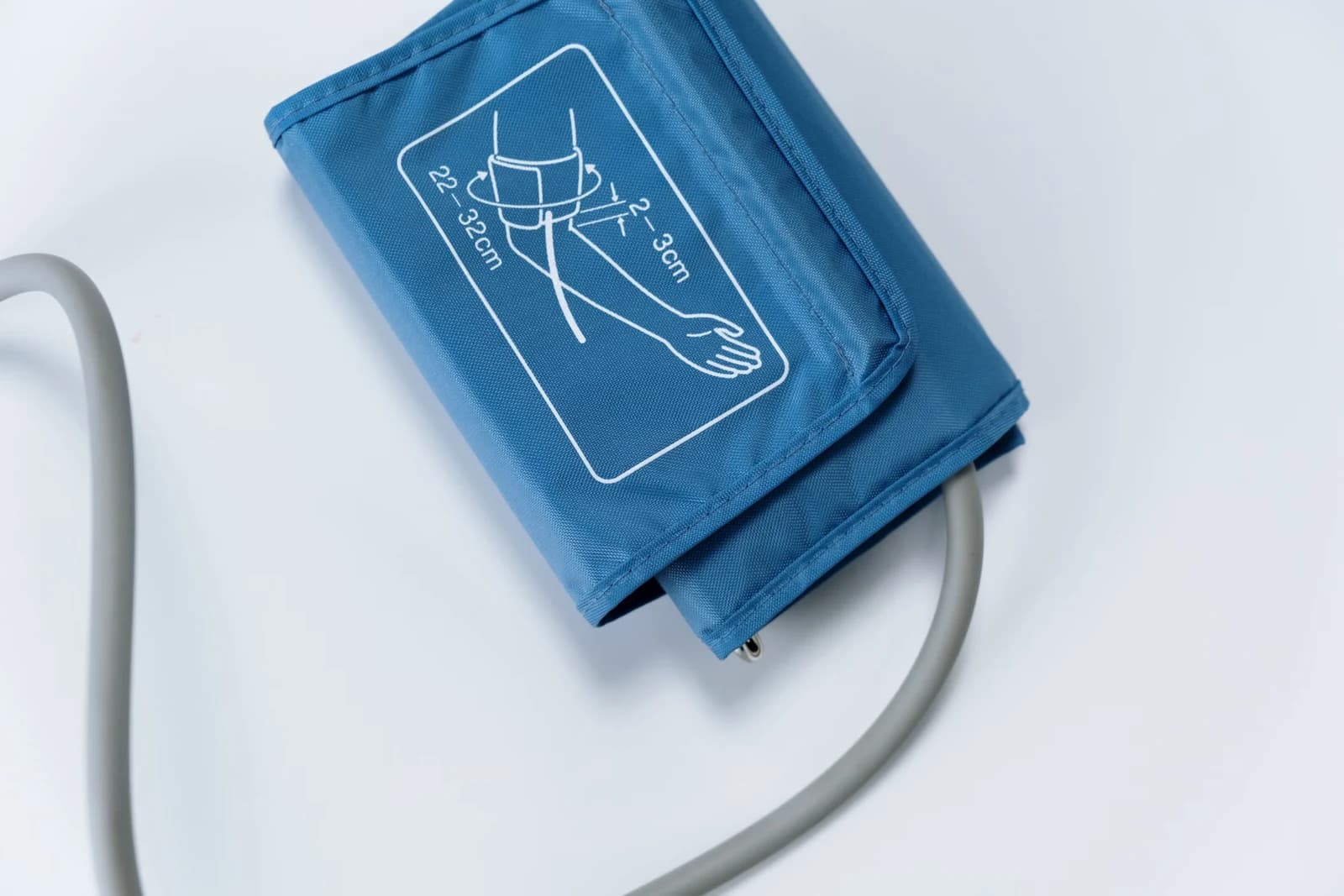
A blood-pressure cuff used for noninvasive measurements
01

Test circulation

Noninvasive studies help identify whether blood flow is reduced and where.

A clipboard, stethoscope, and medication for a health review
02

Review your health

We discuss medicines, walking, diabetes, and smoking, as well as your heart and stroke risk.

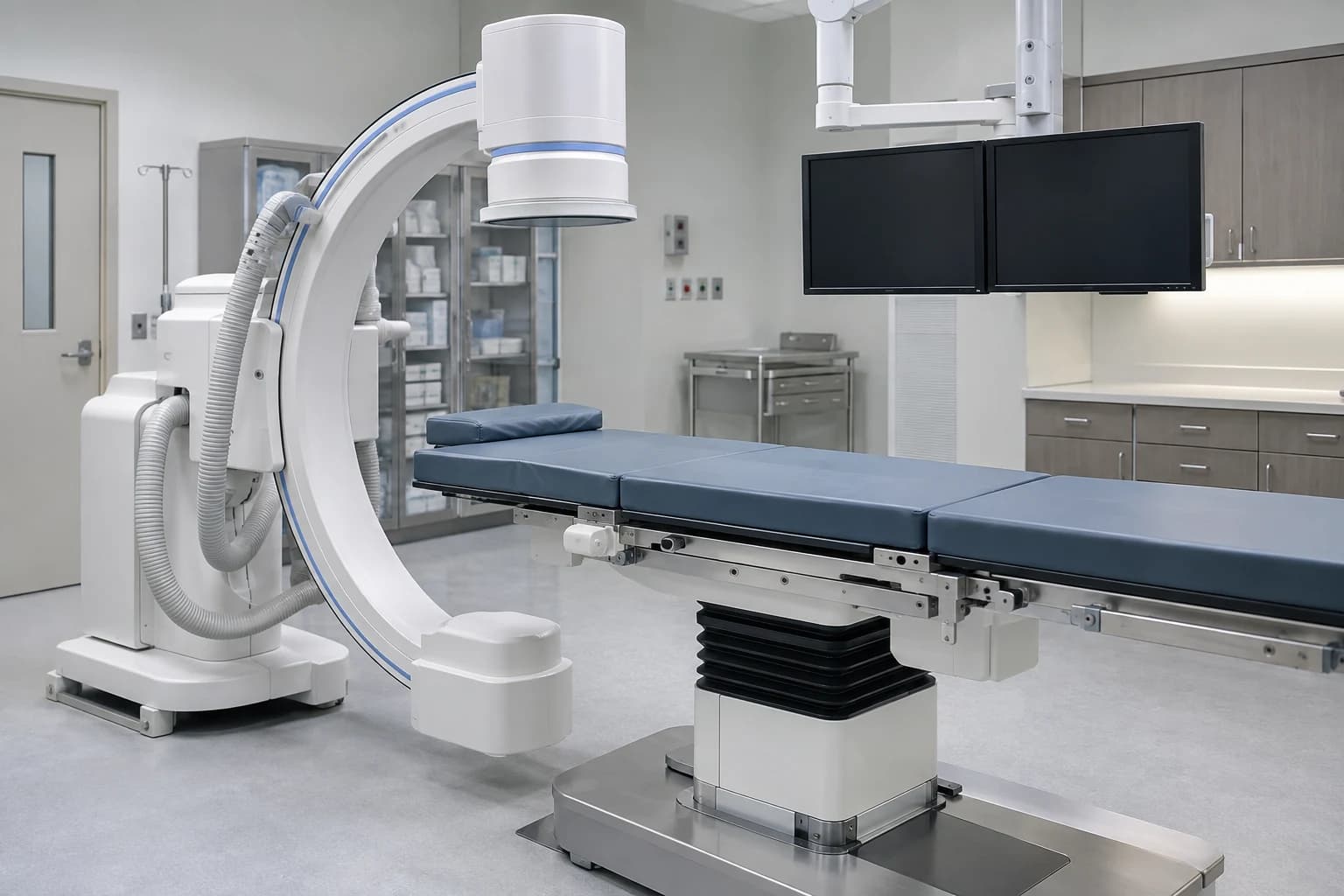
Illustrative image of a procedure room with fluoroscopy equipment
03

Improve blood flow

If needed, angioplasty, atherectomy, or stenting can open a narrowed artery and help blood reach your legs and feet.

An older couple walking in a park with a walking aid
04

Check your recovery

Follow-up visits check your circulation, walking comfort, wound healing, and medicines.

Recovery and Follow-Up After PAD Treatment

After angioplasty or stenting, you usually spend a few hours under observation and go home the same day. Before you leave, we explain how to care for the puncture site, take your medicines, and return to walking and other activities. Follow-up visits check blood flow and wound healing when needed.

Illustrative lifestyle scene of everyday activities

Frequently Asked Questions About PAD Treatment

Is leg pain always PAD?

No. Joint, nerve, spine, muscle, and venous problems can cause similar symptoms. Clinical evaluation and vascular testing help distinguish them.

Can PAD cause a wound not to heal?

Yes. Reduced arterial blood flow can limit oxygen and nutrient delivery to tissue. For a wound on the leg or foot, checking circulation can help identify what is slowing healing.

Does every patient with PAD need a procedure?

No. Many patients are managed with risk-factor treatment, medication, and structured walking. Procedures are considered based on symptoms, anatomy, wound or limb risk, and response to conservative care.

An older adult walking on a beach

Your Guide to Peripheral Artery Disease Treatment

Learn about leg circulation, common PAD symptoms, and medical and minimally invasive treatment options.

Read the guide

Schedule a PAD Consultation in Los Angeles

Meet with our team to discuss your symptoms, review your records, and understand your treatment options.

Request a consultation