Beach Wellness MD
All treatments

Wound healing + vascular expertise

Advanced Wound Care, Debridement and Dressings in Los Angeles

A wound that is slow to heal needs careful treatment. We check for poor circulation, pressure, swelling, infection, and other health problems that can delay healing, then choose the dressings and treatments your wound needs.

Request a consultation
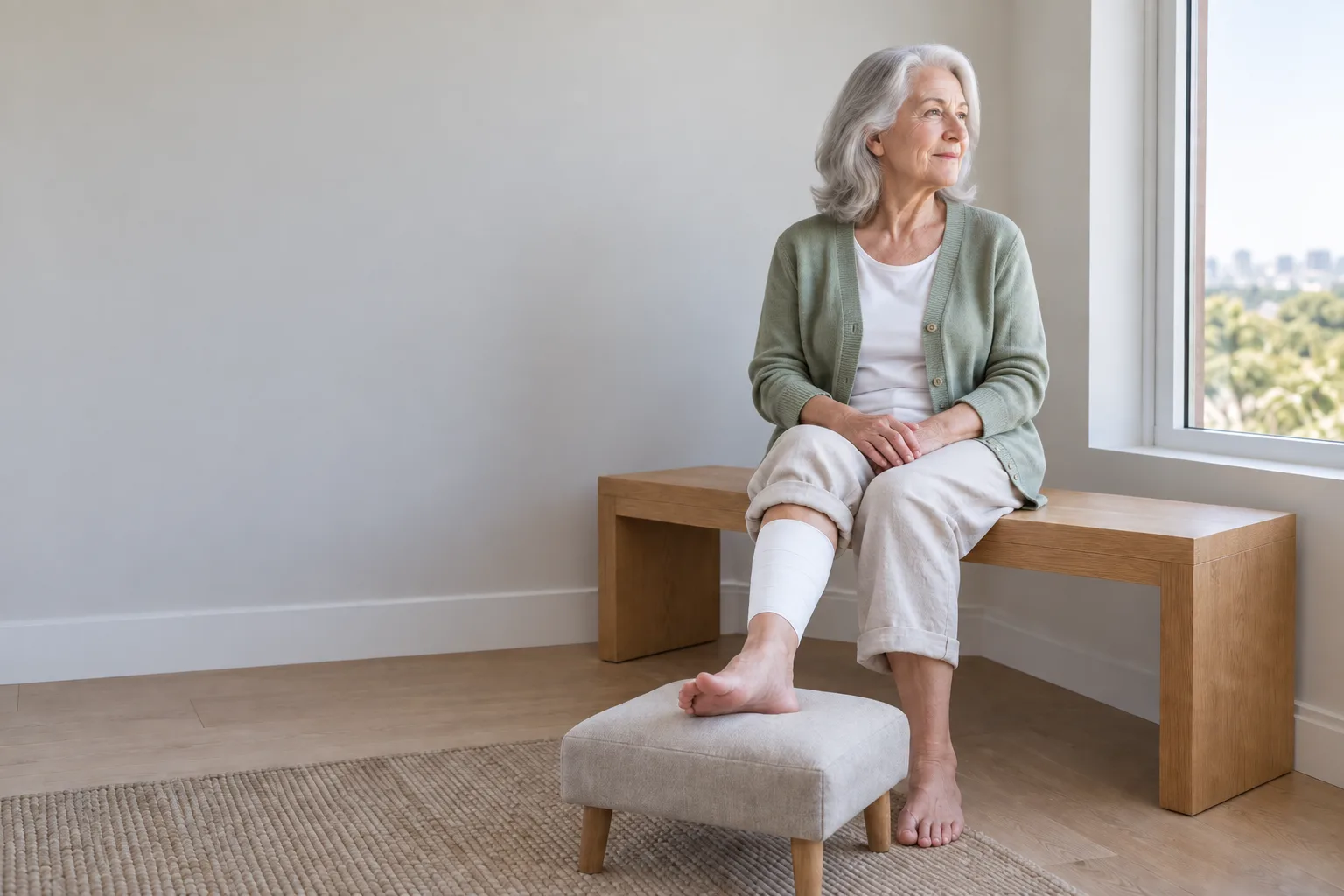
Illustrative image of a woman resting by a window with a clean dressing on her lower leg

Specialized Care for Chronic and Nonhealing Wounds

A wound that will not heal needs more than a new dressing. Beach Wellness MD combines hands-on wound treatment with attention to circulation, pressure, swelling, and other factors that can slow recovery.

Symptoms and concerns we help with

  • Diabetic foot and lower-extremity ulcers
  • Venous leg ulcers and swelling-related wounds
  • Arterial or ischemic wounds associated with poor circulation
  • Pressure injuries and wounds related to limited mobility
  • Non-healing surgical or traumatic wounds
  • Complex wounds that have not improved with standard care

Types of Chronic Wounds and Ulcers We Treat

Pressure ulcers

Also called bedsores, these injuries develop when prolonged pressure damages skin and tissue, often at the heels, hips, or tailbone. People who cannot move easily or have reduced sensation are particularly at risk. Signs include persistent redness, swelling, blisters, open sores, warmth, pain, or drainage. Relieving pressure is an essential part of treatment.

Venous ulcers

When leg veins do not return blood effectively, blood pools and pressure builds. This can lead to shallow, uneven sores near the ankles, often with swelling, itching, flaky skin, or discoloration. Varicose veins, long-standing swelling, excess weight, and reduced mobility can increase the risk.

Diabetic foot ulcers

Diabetes can damage nerves and reduce circulation, so a foot wound may become deep before you feel pain. Poorly fitting shoes, foot deformities, calluses, and high blood sugar add to the risk. Redness, swelling, odor, or drainage can indicate infection. A painless wound still needs prompt care.

Chronic vascular ulcers

Artery or vein disease can cause wounds that persist or repeatedly reopen. The surrounding skin may thicken, and the wound may drain or develop an odor. We assess circulation alongside the wound so treatment addresses the reason it is not healing.

Traumatic and surgical wounds

Cuts, injuries, and surgical incisions sometimes heal slowly or reopen. Diabetes, poor circulation, steroid use, and tension on the wound can interfere with healing. Persistent pain, redness, drainage, reopening, or unusual scarring are reasons to contact your care team.

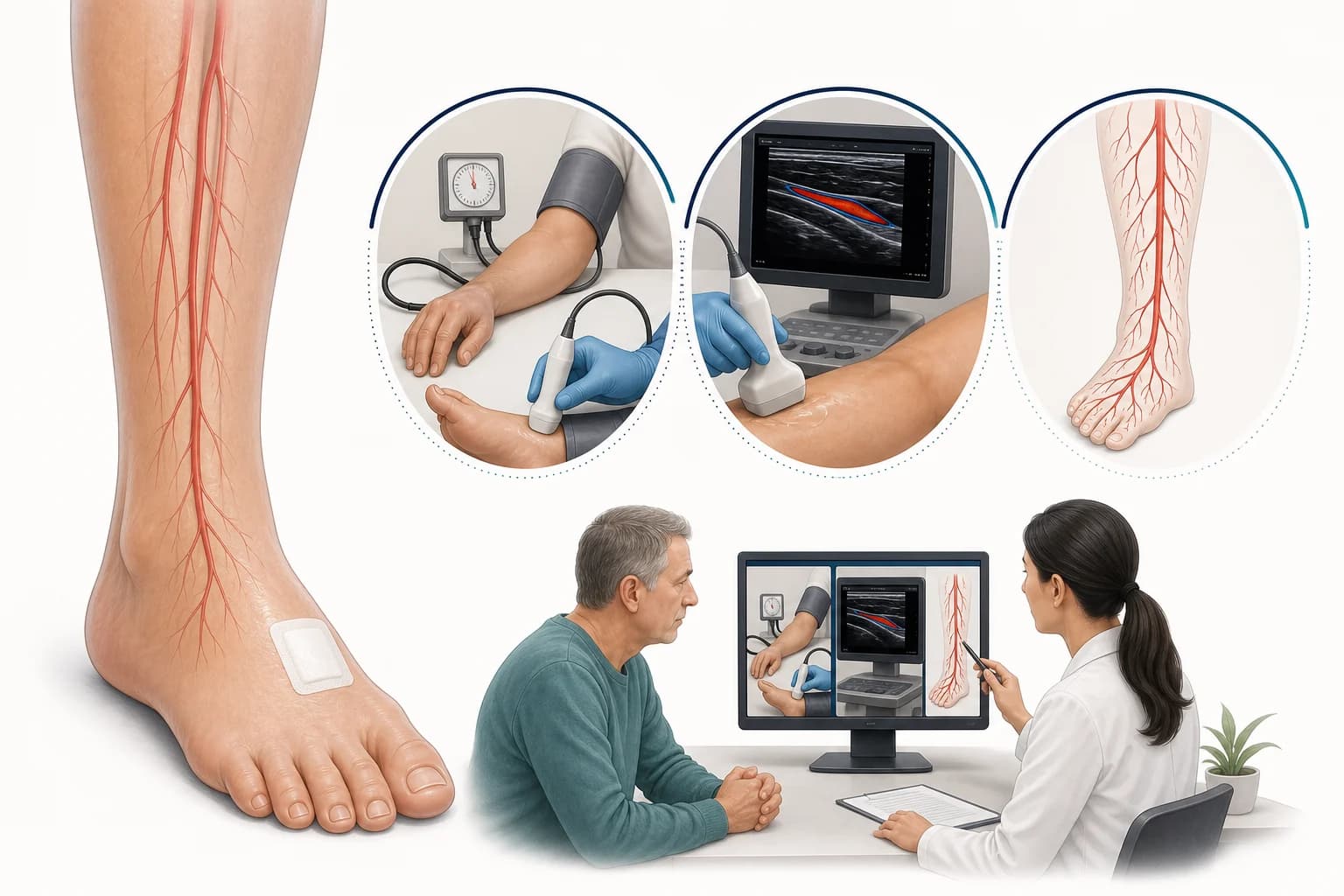
Educational illustration showing ankle-brachial index testing, duplex ultrasound, arterial mapping, and coordinated wound evaluation
Simplified patient education illustration; anatomy and treatment vary by patient.

How Debridement, Wound VAC Therapy and Advanced Dressings Work

Debridement

Removing dead or damaged tissue helps prepare the wound for healthy tissue growth. The method and comfort measures are selected for your wound and needs.

Negative pressure wound therapy

Also called wound vac therapy, this uses a foam or gauze dressing sealed beneath an adhesive covering and connected to a small suction pump. Controlled suction removes excess fluid and helps support healthy tissue growth. Your team explains how to use the device between dressing changes.

Biologic dressings

These wound coverings may contain collagen, tissue-derived material, or biosynthetic materials. After cleaning and preparing the wound, we apply and secure the dressing to protect the area and support healing. Follow-up visits help us decide when to change it or adjust treatment.

Treat what is slowing healing

We also address contributing problems, such as poor blood flow or ongoing pressure, and coordinate with other clinicians involved in your care.

An older woman relaxing on a leather sofa at home

Personalized Wound Care Based on the Cause of Delayed Healing

  • Care for the wound and the health conditions slowing its healing
  • Noninvasive vascular testing when circulation may affect healing
  • Advanced dressings, debridement, offloading, and other selected therapies
  • Coordination with primary care, podiatry, home health, and other clinicians
  • Clear follow-up goals so progress can be measured and the plan adjusted
What we review at your consultation

We ask how the wound started, how long you have had it, and which treatments you have tried. We examine the wound and check for swelling, pressure, loss of feeling, and infection. For wounds on the legs or feet, we may also test circulation to see whether enough blood is reaching the area to support healing.

What to Expect From Your Wound Evaluation and Treatment Plan

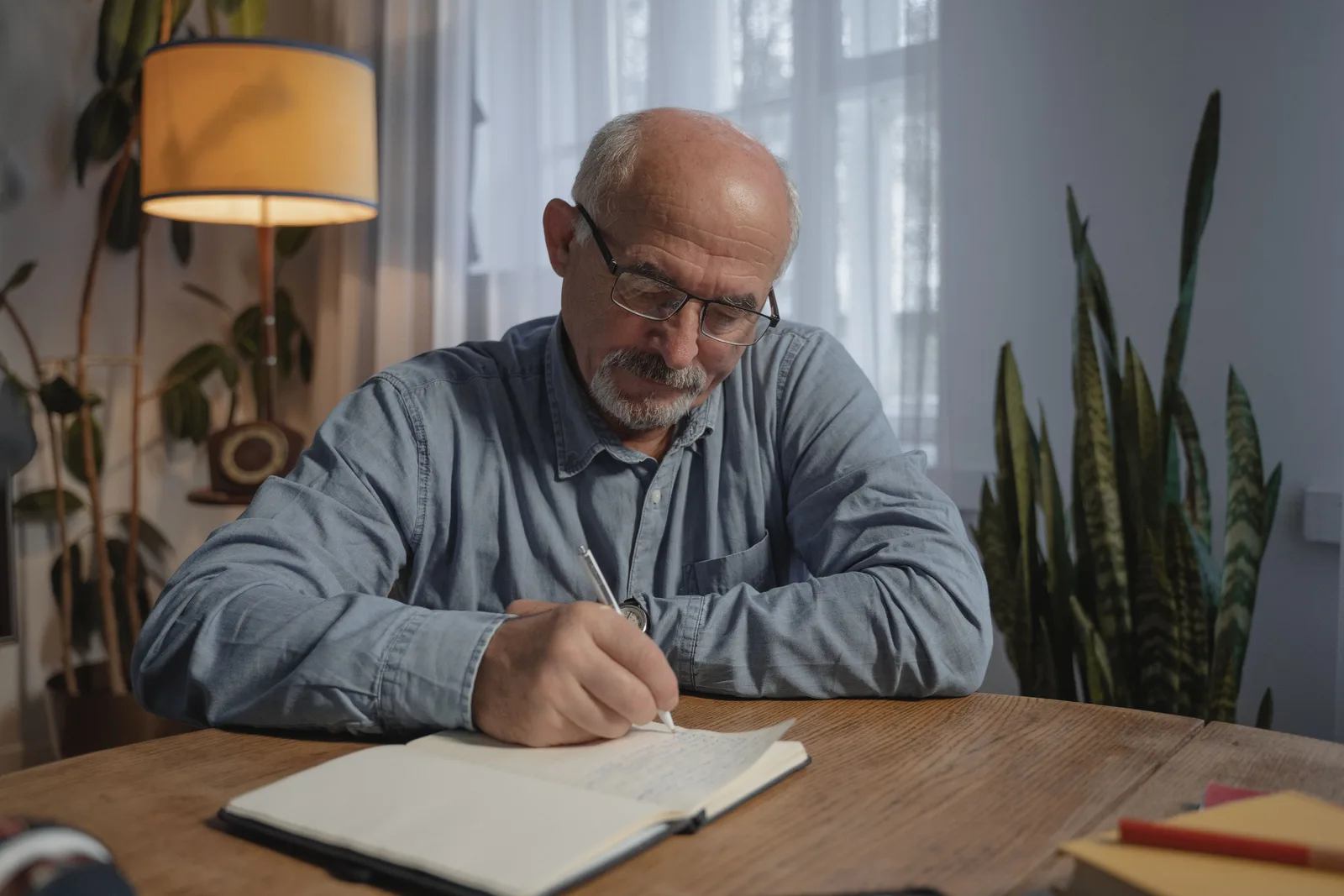
An older man writing notes in a notebook at home
01

Understand the wound

We document location, depth, drainage, tissue, duration, pain, and previous treatment.

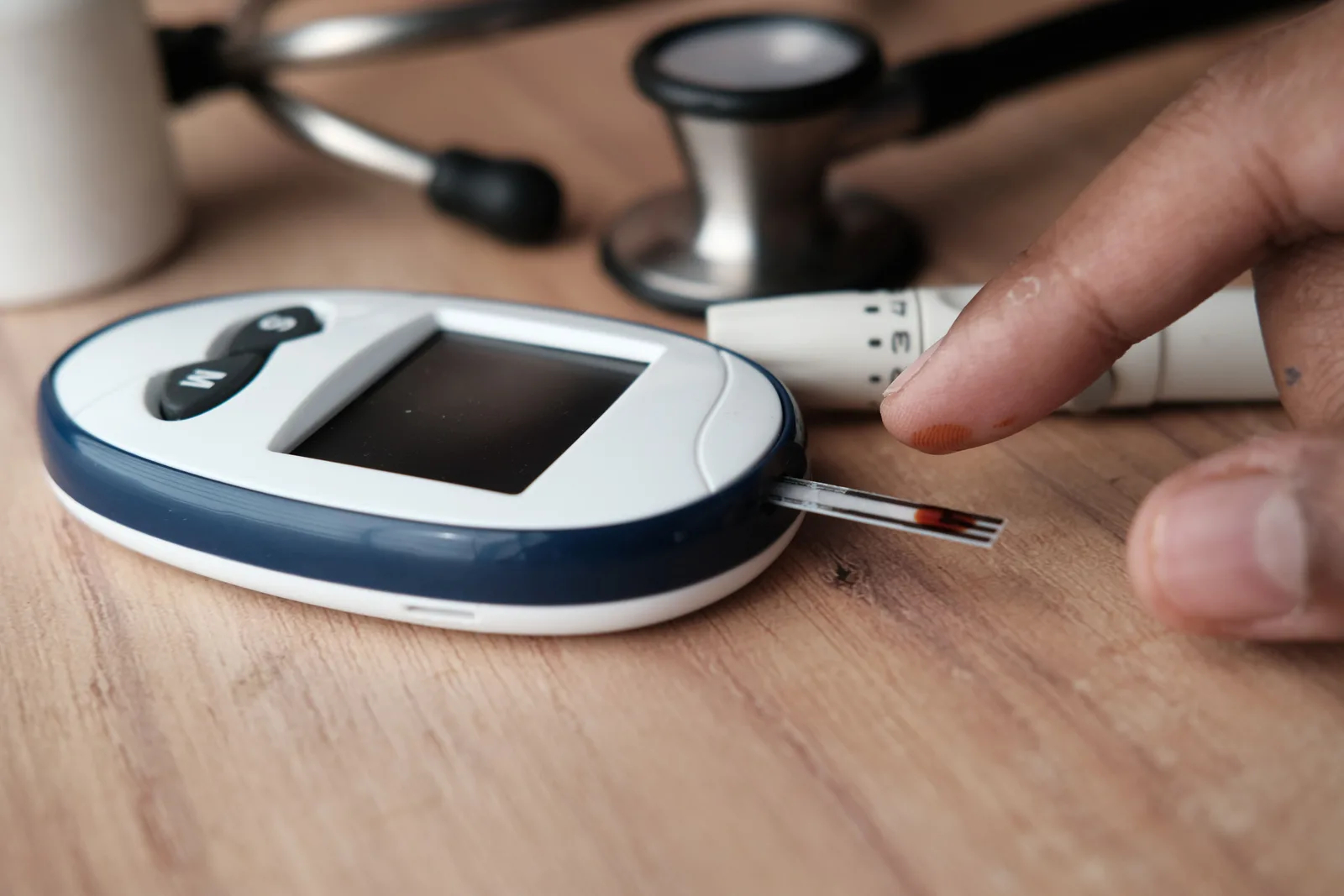
A glucose meter and stethoscope on a wooden table
02

Identify barriers

We evaluate circulation, pressure, swelling, diabetes, infection risk, nutrition, and mobility.

Adhesive dressings laid out on a blue surface
03

Build the plan

Your treatment may include dressings, removal of damaged tissue, pressure relief, and care for poor circulation.

A hand circling a follow-up date on a desk calendar
04

Measure progress

Follow-up visits track healing and allow the team to adjust the plan promptly.

At-Home Wound Care and Healing Follow-Up

Healing takes time, especially when diabetes, poor circulation, or pressure is involved. We explain how to care for your wound at home, when to change dressings, and how to protect the area. At follow-up visits, we check its size and appearance and adjust treatment if healing has slowed.

An older couple walking along a coastal waterfront path

Frequently Asked Questions About Advanced Wound Care

When should a wound be evaluated by a specialist?

Seek prompt medical guidance for a wound that is worsening, shows signs of infection, exposes deeper tissue, occurs with poor circulation or diabetes, or is not making expected progress. Severe pain, fever, spreading redness, discoloration, or a cold or numb limb may require urgent evaluation.

Why does circulation matter for wound healing?

Healing tissue needs oxygen and nutrients delivered through the bloodstream. Arterial disease, venous disease, swelling, and microvascular problems can interfere with that process. A vascular assessment helps the team determine whether blood flow is part of the problem.

Do you offer in-home wound care?

Beach Wellness MD may offer mobile wound services for qualifying patients. Availability and clinical suitability are determined after the team reviews the patient’s needs and service area.

Will I still see my other doctors?

Yes. Complex wounds often benefit from coordinated care. We share updates with your referring clinician and the other professionals involved in your wound care.

Schedule a Wound Care Consultation in Los Angeles

Meet with our team to discuss your symptoms, review your records, and understand your treatment options.

Request a consultation