
Beach Wellness MD
All treatments

A minimally invasive option for enlarged prostate

Prostate Artery Embolization (PAE) in Los Angeles

PAE is a nonsurgical, image-guided treatment that reduces blood flow to an enlarged prostate so it can gradually shrink, with the goal of improving urinary symptoms caused by benign prostatic hyperplasia (BPH).

Request a consultation
An older man awake early after interrupted sleep

Nonsurgical Treatment for Enlarged Prostate Symptoms

Frequent bathroom trips, interrupted sleep, and a weak urine stream can take a toll on everyday life. Prostate artery embolization offers a minimally invasive option for men with BPH whose symptoms are not well controlled by medication or who want to explore an alternative to surgery.

Symptoms and concerns we help with

  • Frequent urination during the day or waking at night to urinate
  • An urgent need to urinate
  • Difficulty starting, straining, or a weak urine stream
  • A stream that starts and stops, or dribbling afterward
  • Feeling that the bladder is not completely empty
  • Repeated urinary tract infections or symptoms despite medication

Understanding BPH and Your Enlarged Prostate Treatment Options

Understanding an enlarged prostate

Benign prostatic hyperplasia, or BPH, is a noncancerous enlargement of the prostate gland. As the gland grows, it can press on the tube that carries urine out of the bladder. BPH becomes more common with age; family history, excess weight, diabetes, and heart disease can also be relevant.

Finding the cause of urinary symptoms

Your doctor may use a symptom questionnaire, an examination, urine and blood tests, and imaging to understand what is causing the problem. Repeated urinary tract infections, difficulty emptying the bladder, and symptoms that are getting worse deserve medical attention.

Your treatment options

Mild symptoms may be monitored. Medicines, including alpha blockers and drugs that shrink the prostate, can help some men. PAE is an option to discuss when medicines have not helped enough or you want to explore an alternative to surgery. We also discuss sexual function and the differences between PAE and surgical treatments with you.

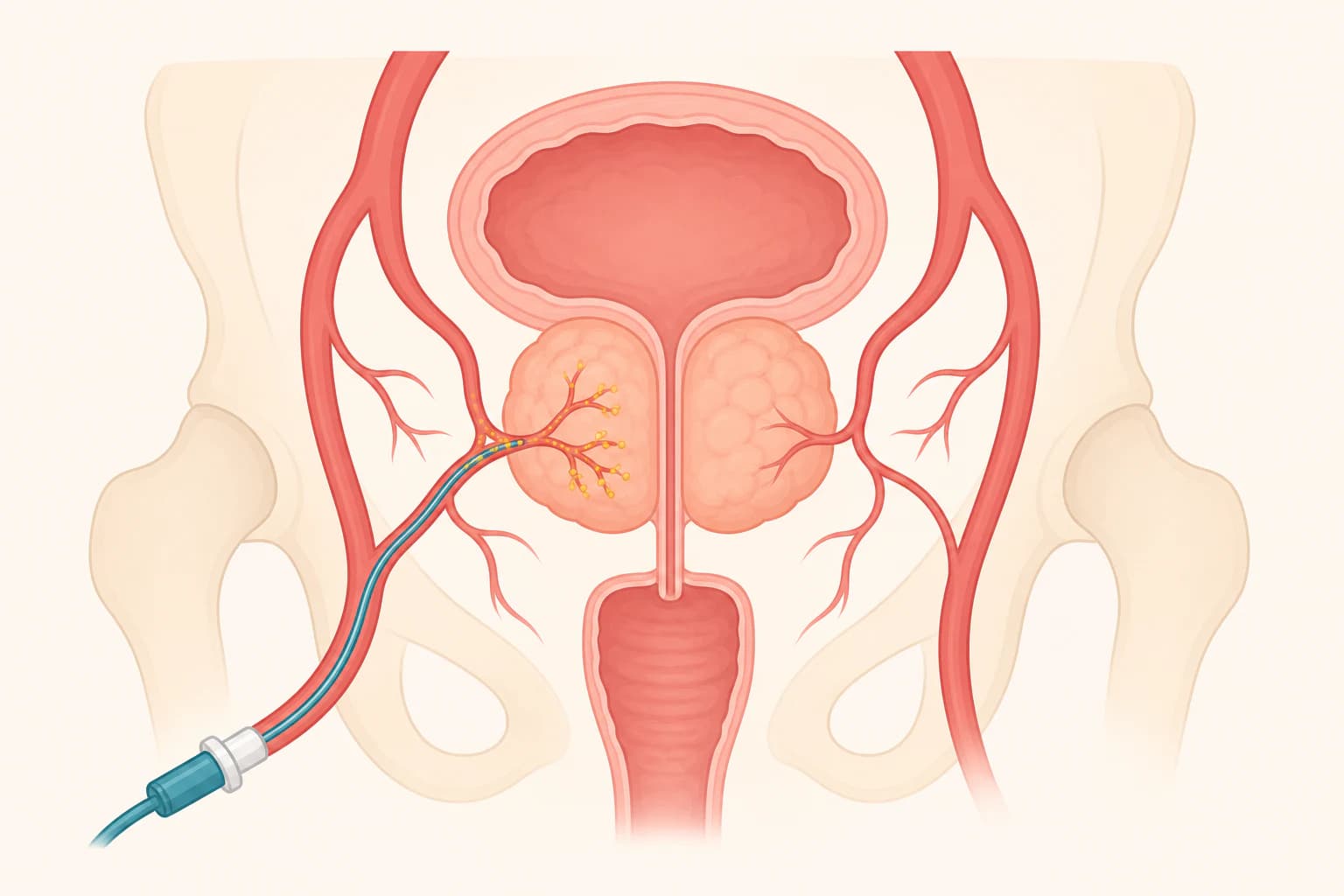
Educational illustration of a microcatheter delivering embolic particles into selected prostatic artery branches
Simplified patient education illustration; anatomy and treatment vary by patient.

How Prostate Artery Embolization Works

How PAE works

An interventional radiologist guides a thin catheter into the arteries feeding the prostate and delivers microscopic particles. Reducing its blood supply allows the enlarged gland to shrink gradually.

A small-access, outpatient procedure

PAE is typically performed through a small puncture with local anesthetic and sedation rather than general anesthesia. Most patients return home the same day after observation.

What improvement means

The goal is easier urination and less disruption from BPH symptoms. Improvement develops over time; your team checks your response and coordinates care with urology when needed.

Illustrative outpatient seated in a consultation room

Personalized PAE Treatment Planning

  • No open surgery or removal of prostate tissue
  • Image-guided treatment performed through a small arterial access site
  • Usually performed as an outpatient procedure
  • Local anesthetic and sedation rather than general anesthesia in most cases
  • A discussion of sexual function, recovery, and alternatives before treatment
What we review at your consultation

PAE is not a treatment for prostate cancer and it is not the right choice for every urinary problem. Before recommending it, the team reviews your BPH diagnosis, symptom severity, medication history, prostate imaging or measurements, urine testing, kidney function, and prostate-cancer screening status. Some patients need additional urologic evaluation before a decision can be made.

Your PAE Care Pathway: Evaluation, Treatment and Follow-Up

An older man taking notes during a phone call
01

Consultation

We review symptoms, health history, prior treatment, and what matters most to you.

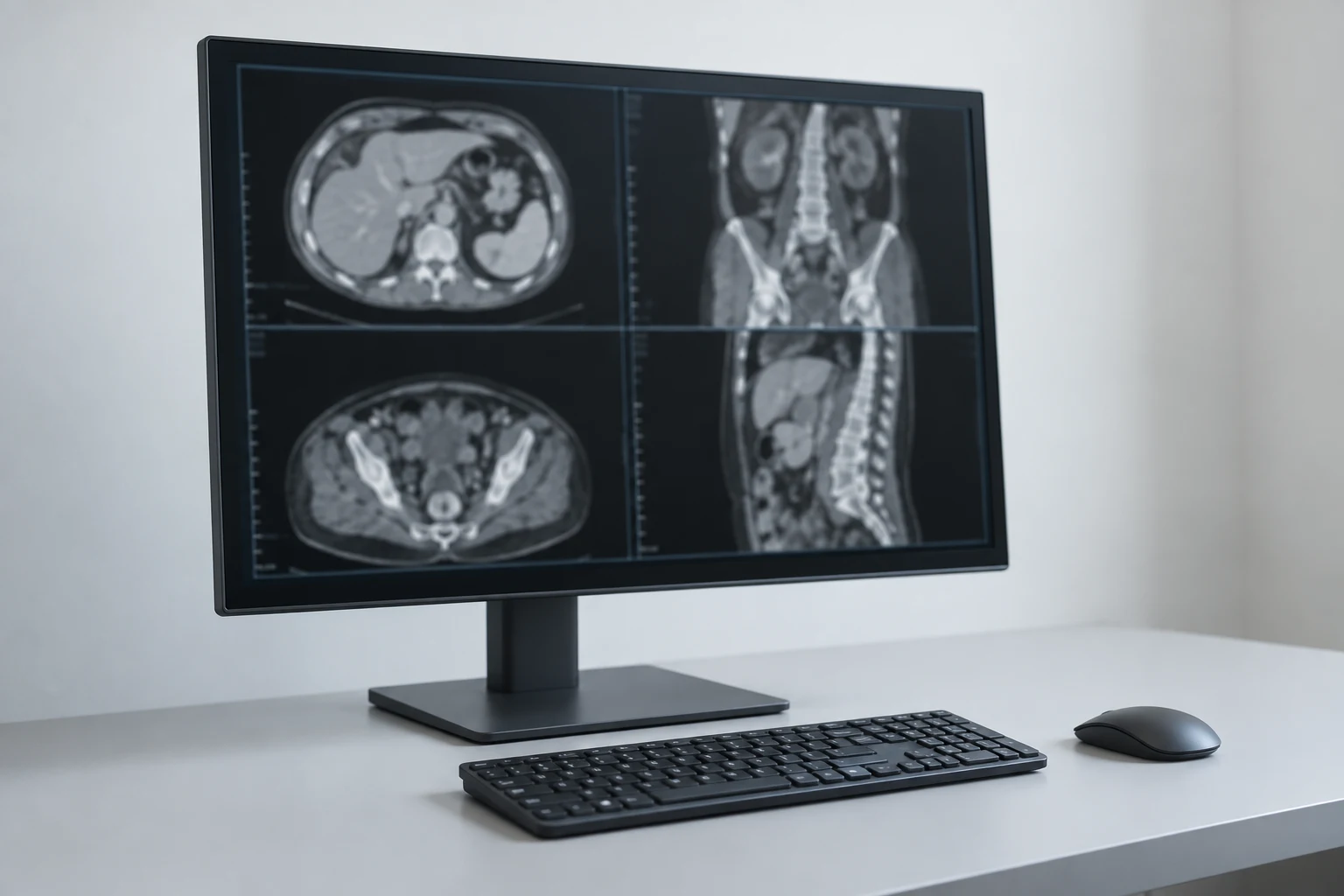
Illustrative medical imaging workstation for treatment planning
02

Planning

Imaging and clinical records help map the arteries and confirm that PAE is technically and medically appropriate.

A patient resting at home
03

Embolization

A catheter is guided through an artery in the wrist or groin to deliver tiny particles into selected prostate arteries.

A patient spending a quiet moment outdoors
04

Follow-up

Symptoms are tracked over time because improvement is generally gradual rather than immediate.

Recovery and Follow-Up After Prostate Artery Embolization

Many patients return home the day of treatment. Temporary pelvic discomfort, urinary irritation, fatigue, or increased frequency can occur during early recovery. Your care team provides individualized medication, activity, hydration, and warning-sign instructions. Improvement often develops over weeks to months as the prostate responds.

Illustrative lifestyle scene of everyday activities

Frequently Asked Questions About PAE for BPH

Is PAE the same as prostate surgery?

No. PAE is performed by an interventional radiologist through a small arterial access site. It reduces blood flow to selected prostate tissue rather than surgically removing tissue through an incision or the urethra.

Who may be considered for PAE?

PAE may be discussed for patients with bothersome urinary symptoms caused by confirmed BPH, especially when medication has not provided acceptable relief or when a patient wants to understand minimally invasive options. A full clinical evaluation is required.

How quickly do symptoms improve?

PAE is not usually an instant change. Some patients notice improvement within the first several weeks, while continued change may occur over subsequent months. Individual response varies.

Does insurance cover PAE?

Coverage depends on the plan, medical necessity criteria, and documentation. Our team can help review benefits and any authorization requirements before treatment.

Schedule a PAE Consultation in Los Angeles

Meet with our team to discuss your symptoms, review your records, and understand your treatment options.

Request a consultation