
Beach Wellness MD
All treatments

Care for pelvic venous disorders

Pelvic Congestion Syndrome (PCS) Treatment in Los Angeles

Pelvic congestion syndrome can develop when blood pools in enlarged veins in the pelvis, causing ongoing pain or heaviness. Treatment closes the affected veins so blood can return through healthier routes.

Request a consultation
A woman sitting curled up on a sofa at home

Pelvic Congestion Syndrome Symptoms and Chronic Pelvic Pain

Pelvic congestion syndrome can cause an ongoing ache or heaviness that interferes with daily life. When damaged pelvic veins are responsible, a minimally invasive procedure can close those veins and help relieve symptoms.

Symptoms and concerns we help with

  • Pelvic pain lasting six months or longer
  • A heavy ache or sharp pelvic pain, sometimes more noticeable on the left side
  • Pain with changes in posture or after standing or walking for a long time
  • Pain during or after intercourse
  • Pain that worsens during your period
  • Enlarged veins on the lower abdomen, vulva, or genital area

Understanding Pelvic Congestion Syndrome and Its Diagnosis

Why pelvic veins can cause pain

When veins in the pelvis do not carry blood back toward the heart effectively, blood can pool and the veins can enlarge. This can cause a persistent ache or heaviness called pelvic congestion syndrome. Other conditions can cause similar pain, so enlarged veins alone do not confirm the diagnosis.

How we investigate pelvic pain

We discuss when your pain started, what makes it worse, and any previous treatment. Tests may include blood tests, pelvic ultrasound, and a venogram—X-ray images taken with contrast to show the pelvic veins. We work with your gynecologist when needed to check for other causes.

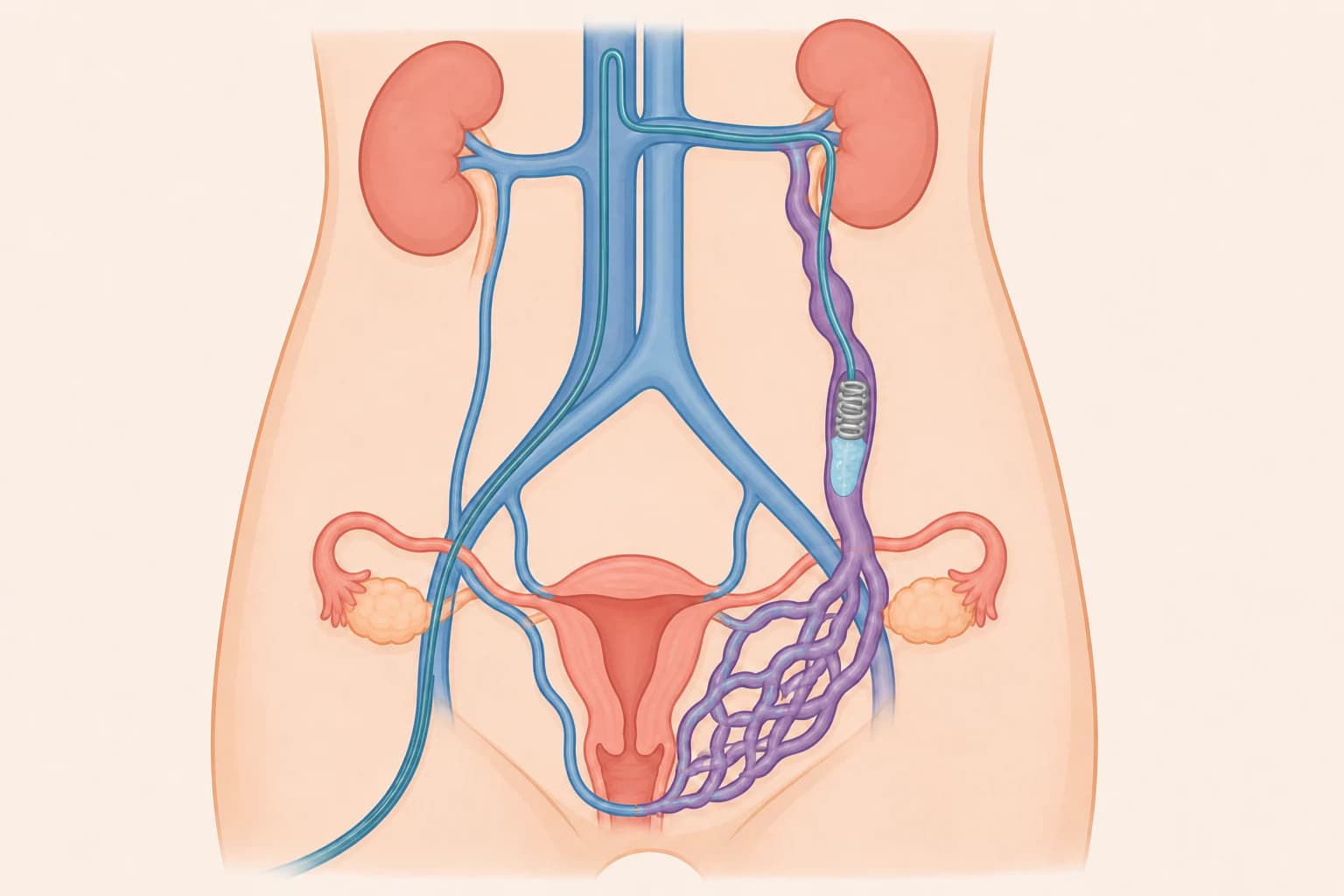
Educational illustration of catheter, coil, and sclerosant treatment in a refluxing ovarian vein associated with pelvic varices
Simplified patient education illustration; anatomy and treatment vary by patient.

How Pelvic Vein Embolization Works

Find the affected veins

X-ray imaging and contrast help your physician see abnormal blood flow in the pelvic veins. This detailed view guides where treatment is delivered.

Close the faulty pathway

A small catheter delivers coils or another selected treatment to close abnormal veins. Blood can then return through healthier routes rather than pooling in the treated veins.

Recover with clear guidance

Treatment is typically outpatient. Your team will explain activity restrictions and follow-up, including when to return to work or exercise. Recovery and symptom improvement vary.

A woman resting in an armchair by a window

Personalized Pelvic Congestion Syndrome Treatment

  • Treatment for pelvic veins that are causing pain
  • Review for other pelvic causes before treatment
  • Minimally invasive venography and embolization when appropriate
  • No abdominal surgical incision
  • Structured follow-up for pain and function
What we review at your consultation

We ask about the timing of your pain, what makes it worse, and your previous tests and treatment. Pelvic ultrasound and other imaging help us examine the veins. Because enlarged veins are not always the cause of pain, we may work with your gynecologist to investigate other explanations before recommending treatment.

What to Expect From Your PCS Evaluation and Treatment

A woman speaking on the phone while walking in a park
01

Listen

We ask when your pain occurs, what makes it worse, and which tests you have had.

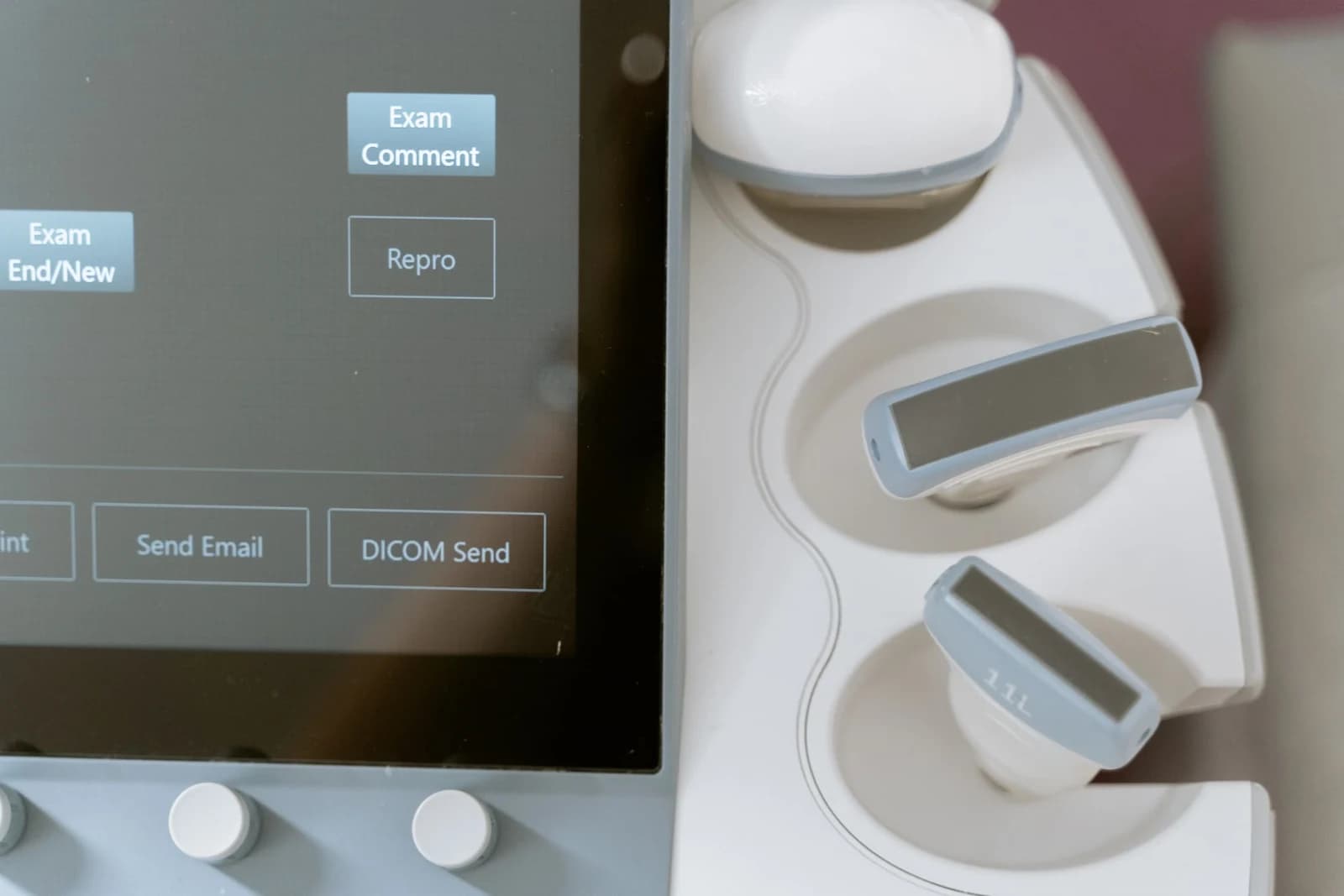
Ultrasound equipment with several imaging probes
02

Clarify

Imaging helps us check whether blood is pooling in pelvic veins and could be causing your pain.

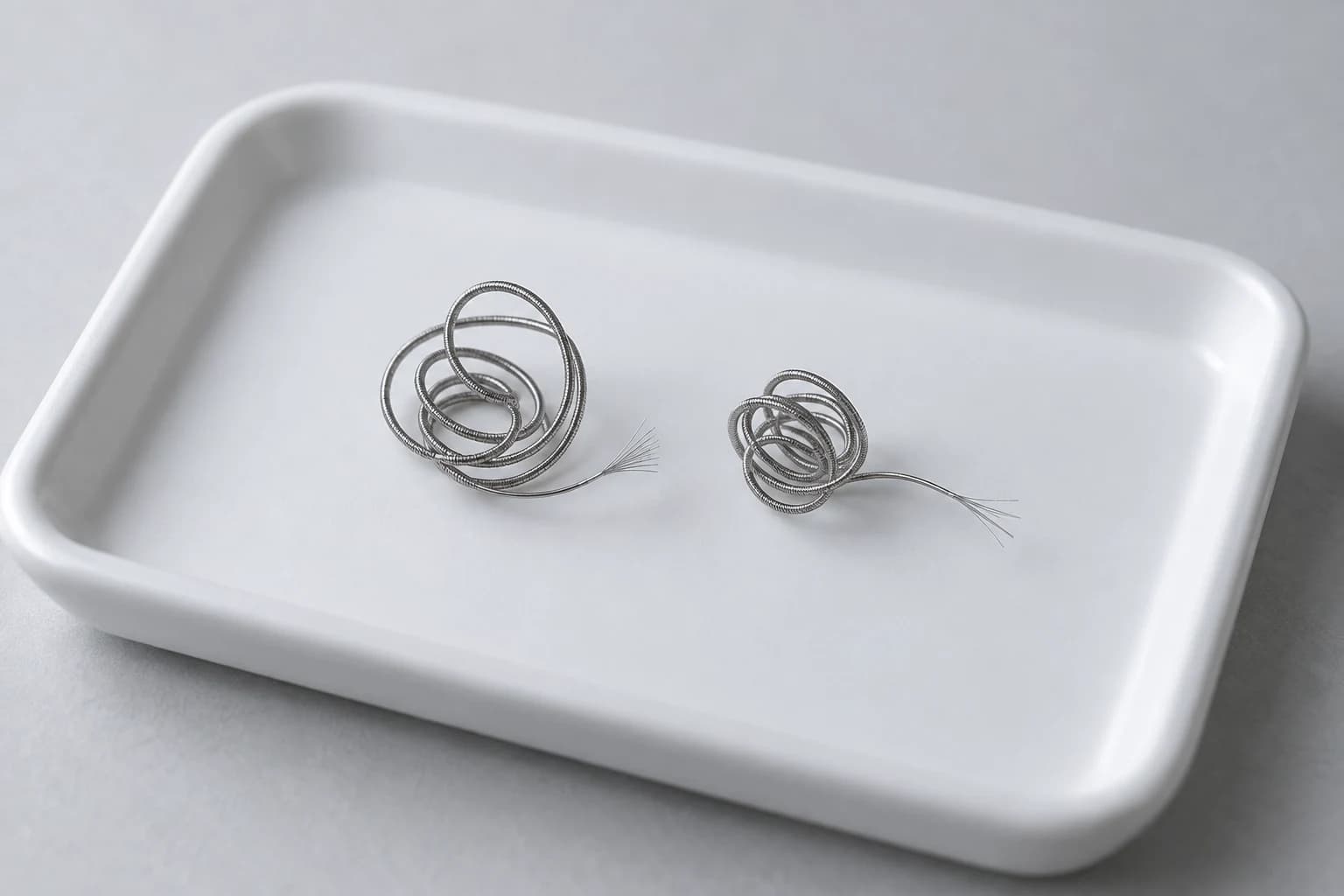
Illustrative embolization coils on a clinical tray
03

Treat

When appropriate, a catheter-based procedure closes selected abnormal pelvic veins.

Close-up of a woman writing in a planner
04

Reassess

At follow-up, we ask whether your pain has improved and check for other causes if symptoms continue.

Recovery and Follow-Up After Pelvic Vein Embolization

Many patients go home the day of embolization. Pelvic or back discomfort, fatigue, and access-site soreness may occur temporarily. Recovery instructions and expected timing depend on the specific veins treated and the individual plan.

A woman stretching on a yoga mat at home

Frequently Asked Questions About Pelvic Congestion Syndrome

Can pelvic congestion syndrome be diagnosed from symptoms alone?

No. Chronic pelvic pain has many potential causes. Diagnosis combines a careful history with imaging and appropriate evaluation for other gynecologic, gastrointestinal, urinary, musculoskeletal, and vascular conditions.

What does embolization do?

Embolization closes selected refluxing veins so blood can reroute through healthier pathways. Treatment is planned from the patient’s specific anatomy.

Do I still need a gynecologist?

Often, yes. Coordinated evaluation is important because pelvic symptoms may have more than one cause.

Clinical education sources

Schedule a PCS Consultation in Los Angeles

Meet with our team to discuss your symptoms, review your records, and understand your treatment options.

Request a consultation